
Transform Cramped Spaces into Open-Concept Living
Open-concept living spaces have become the hallmark of modern home design, offering an open and airy atmosphere that fosters connection and fluidity between different spaces. The rise in popularity of these open floor plans has led to seamless and versatile layouts, where living, dining, and kitchen spaces merge into one cohesive area. However, achieving the perfect open-concept design goes beyond just knocking down walls.
A collaborative approach between designers and builders is crucial to ensure open-concept spaces’ structural integrity, functionality, and aesthetic appeal. A design-build studio is uniquely equipped to align every detail, creating a seamless and beautiful flow throughout the home. Let’s dive into the essentials of making open-concept design ideas both practical and cohesive.
The Foundation: Structural Considerations and Planning
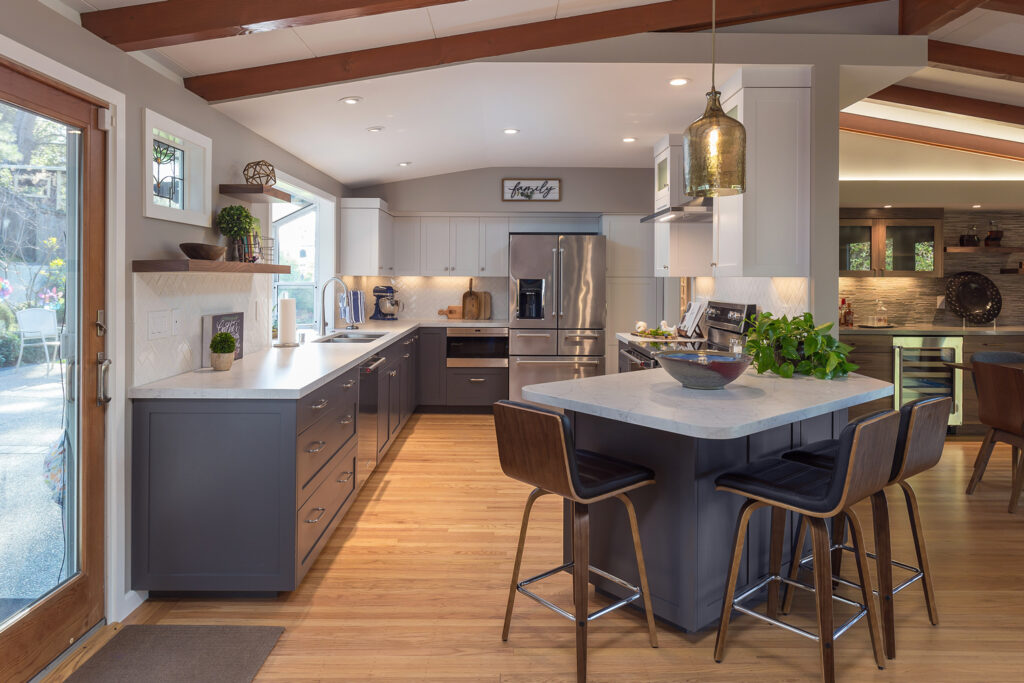
Initial Assessment of Existing Structure
Creating an open-concept layout begins with a comprehensive evaluation of the home’s current structure—a process in which designers and builders collaboratively identify and address limitations, such as load-bearing walls. This synergy between design and engineering ensures that reinforcements, such as beams or columns, are structurally sound and aesthetically pleasing, achieving an open feel without compromising structural integrity.
Removing Walls: What’s Involved
Removing walls requires careful planning, especially when dealing with load-bearing structures. While non-load-bearing walls are more straightforward to remove, they still demand precision to ensure smooth execution. Local building codes and regulations necessitate permits for such alterations, emphasizing the importance of experienced professionals. Combining safety, practicality, and aesthetics provides a seamless transition to an open layout.
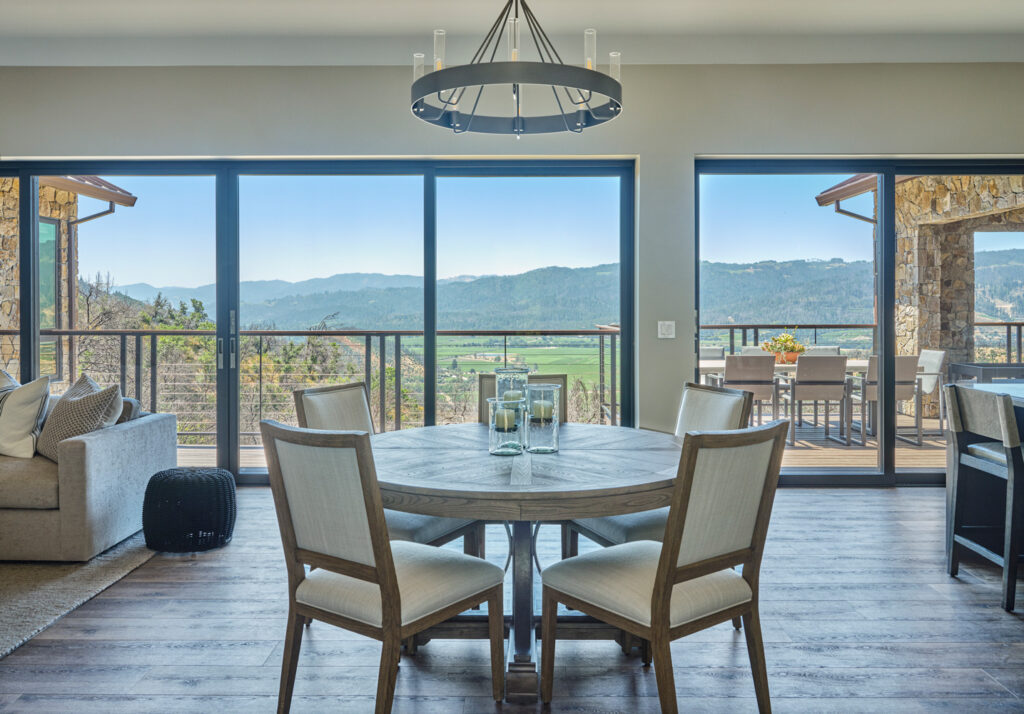
Maximizing Natural Light
Open-concept living thrives on natural light, which can flow more freely once walls are removed. Features like large windows, skylights, and glass doors amplify brightness, connecting indoor spaces with the outdoors and enhancing the overall atmosphere. Thoughtful placement of these elements ensures balanced light distribution, making the space feel inviting, expansive, and cohesive.
Seamless Design: Blending Spaces for Functional Flow
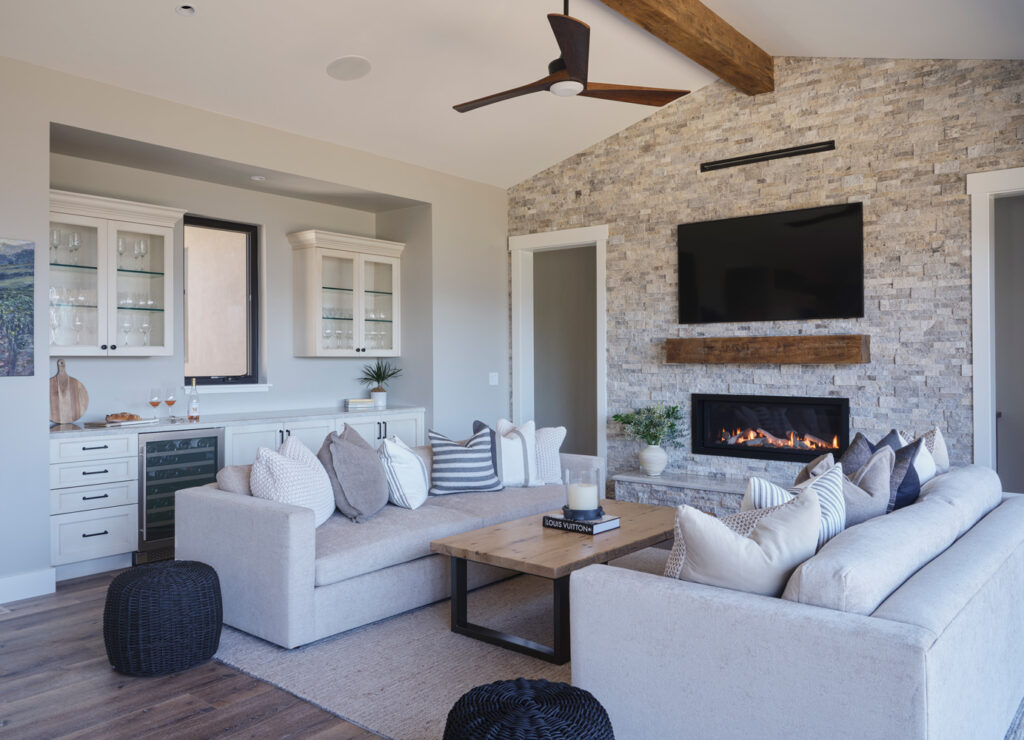
Zoning an Open-Concept Space
Creating a harmonious flow in open-concept living spaces involves intentional zoning to distinguish functional areas without the aid of traditional walls. Strategic furniture placement can define areas naturally – a sofa, for instance, can anchor the living room while opening into the dining area. Layering with area rugs adds texture and signals transitions between zones. Overhead, ceiling treatments like beams or varied lighting can further delineate spaces while maintaining a sense of openness.
Flooring Choices for Continuity
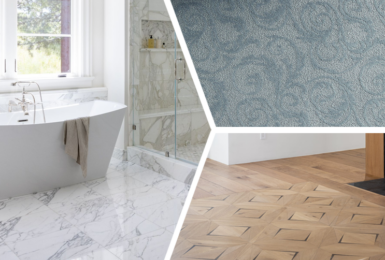
Consistent flooring visually unifies an open-concept space, making it feel expansive and harmonious. However, subtle variations in material or texture can help delineate specific zones without disrupting flow. For example, in an open-concept kitchen and living room, blending hardwood flooring with a tile accent in the kitchen area or a plush rug in the living room can subtly define these spaces while maintaining overall openness. Thoughtful flooring choices not only enhance functionality but also add depth and personality to the design.
Creating Visual Interest Without Clutter
Creating visual interest in open-concept spaces is all about balance. Start by introducing bold focal points like statement lighting fixtures, an accent wall in a rich color or texture, or unique architectural details such as beams or arches. These elements draw the eye without overwhelming the space. To maintain an uncluttered look, prioritize functionality and avoid over-accessorizing – less is truly more in open layouts. Incorporate sleek furniture and intentional decor to create harmony, ensuring the space feels cohesive, inviting, and effortlessly stylish.
Mechanical and Electrical Updates
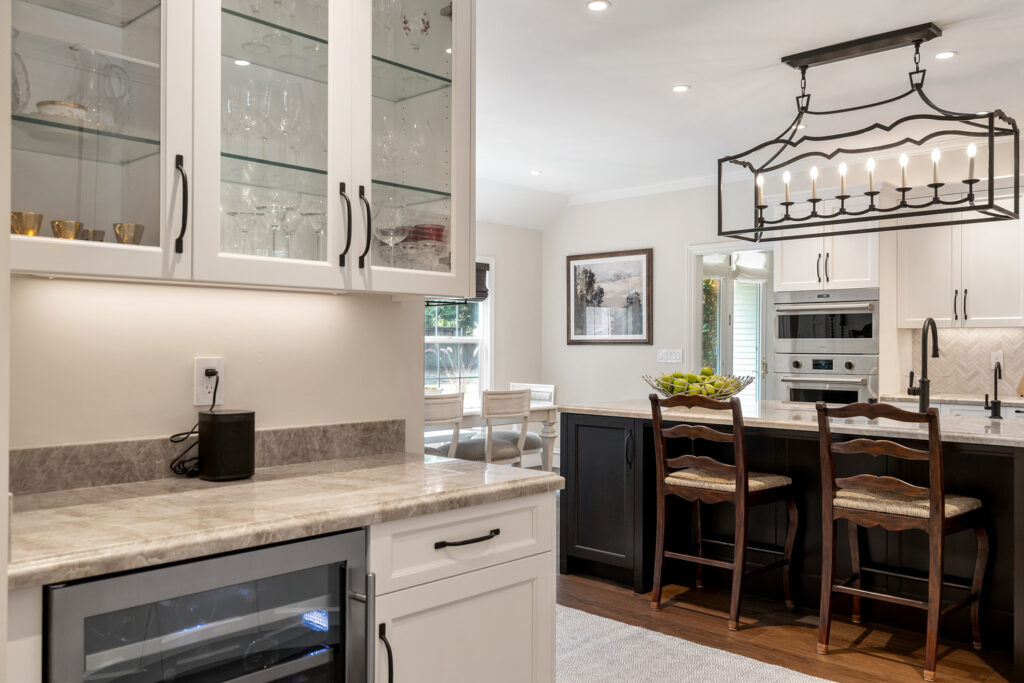
HVAC Considerations
Transforming your home into an open-concept space can significantly impact airflow and climate control. Removing walls allows for better air circulation but can disrupt the balance of heating and cooling, leading to potential inefficiencies. A design-build studio is uniquely equipped to address these challenges, working closely with its build team to integrate upgraded HVAC solutions. Options like zoned systems and underfloor heating are seamlessly incorporated to ensure efficient and comfortable climate control, enhancing energy performance while aligning with the overall design.

Electrical and Plumbing Adjustments
When removing walls in an open-concept design, electrical outlets, light switches, and plumbing lines often need to be relocated to ensure a seamless flow. This involves careful planning to ensure functionality and aesthetics align. Design-build teams handle complex challenges like rewiring and integrating smart home systems efficiently, allowing you to control lighting, sound, and security through centralized systems. Such streamlined solutions not only meet practical needs but also elevate the home’s modern style and usability.
Interior Design Elements for Open-Concept Living
Furniture Layout for a Unified Aesthetic
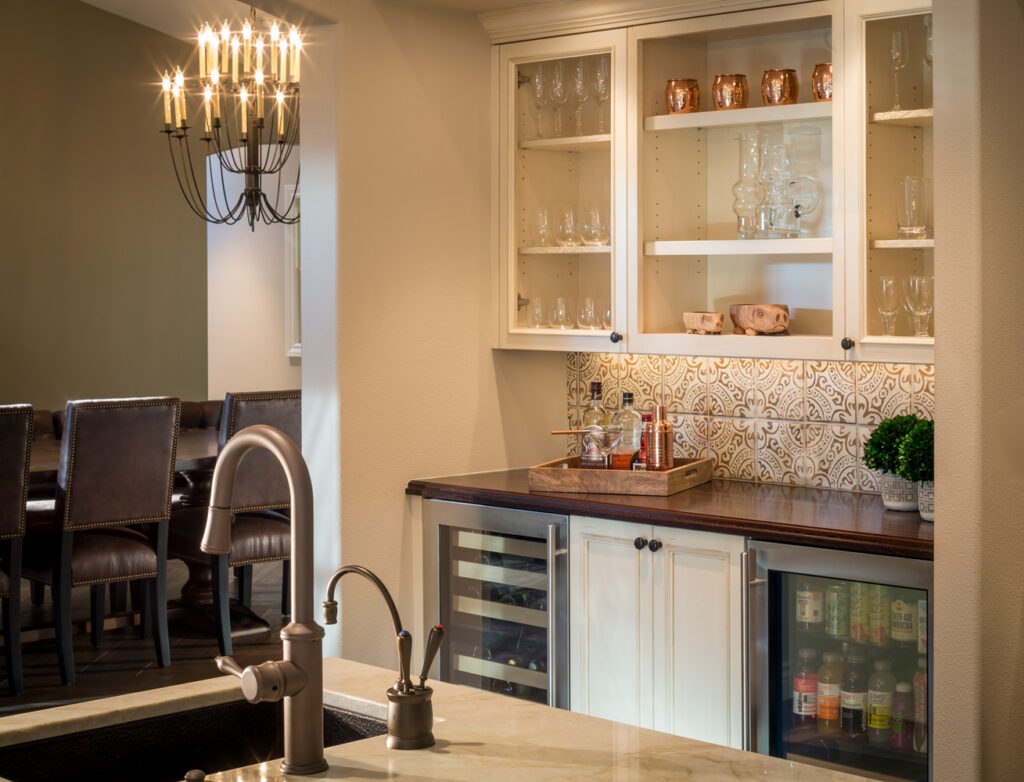
When designing an open-concept living space, the furniture layout plays a crucial role in maintaining both aesthetic appeal and functionality. Choose pieces that complement the space’s flow and highlight its openness while also being mindful of creating defined zones. Multipurpose furniture, like storage ottomans or modular sofas, offers flexibility, allowing you to adapt the space for different activities or needs. Thoughtfully placed furniture not only enhances visual harmony but also ensures the layout remains practical and comfortable for daily living.
Color Palette and Materials
When selecting a color palette and materials for an open-concept living space, it’s essential to choose hues and finishes that not only flow together but also allow for subtle zoning of areas. Soft, neutral tones often serve as a great base, while accent colors and varied textures – such as matte finishes on walls, glossy surfaces for cabinetry, or woven textiles in furniture – help distinguish each area without disrupting the openness. This balance of cohesion and differentiation ensures the space feels both connected and thoughtfully organized.
Lighting Design: Layering Light for Versatility
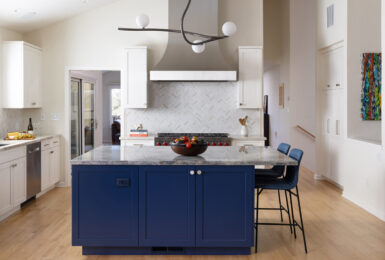
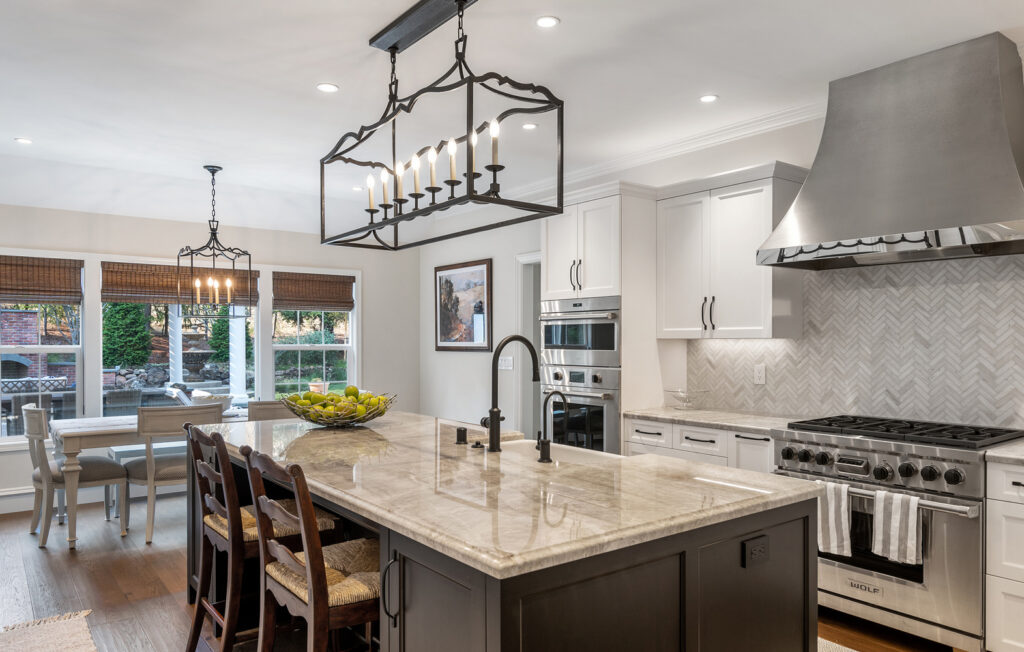
In an open-concept living space, lighting serves as both a functional tool and a design element that enhances the atmosphere. Layering ambient, task, and accent lighting ensures each area is properly lit for its purpose, whether it’s cooking, relaxing, or entertaining. Strategic lighting placement, like pendant lights over the kitchen island for tasks and floor lamps in the living area for ambience, creates subtle boundaries without physical walls. Thoughtful lighting design not only highlights the beauty of the space but also sets the right mood for every activity.
Challenges and Solutions in Open-Concept Design
Noise Management
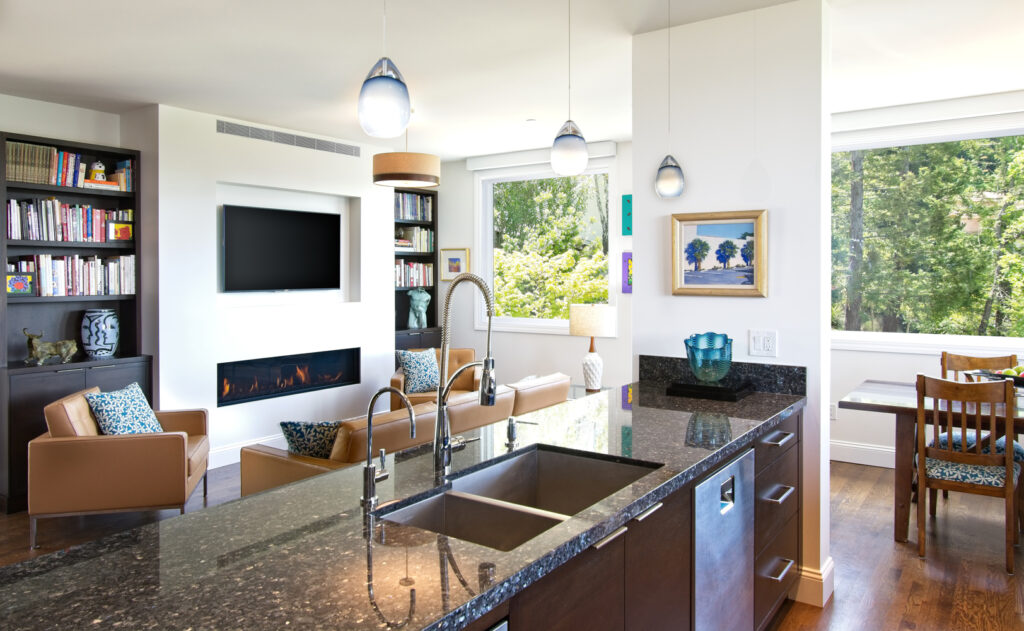
In open-concept spaces, managing sound travel is key to creating a comfortable environment. Design-build studios excel in navigating these challenges by seamlessly integrating sound-absorbing features during construction and design. To minimize noise, incorporate rugs and acoustic panels or strategically place soft furnishings like cushions or curtains. These elements help absorb sound and reduce echo, ensuring your space feels quieter and more inviting.
Storage Solutions
Storage in open layouts needs to be both functional and aesthetically pleasing. Custom cabinetry offers sleek, built-in organization while floating shelves create display areas without adding bulk. Furniture with hidden compartments, like ottomans or benches, maximizes storage without disrupting the seamless flow of the design.
The Beauty of Open-Concept Living
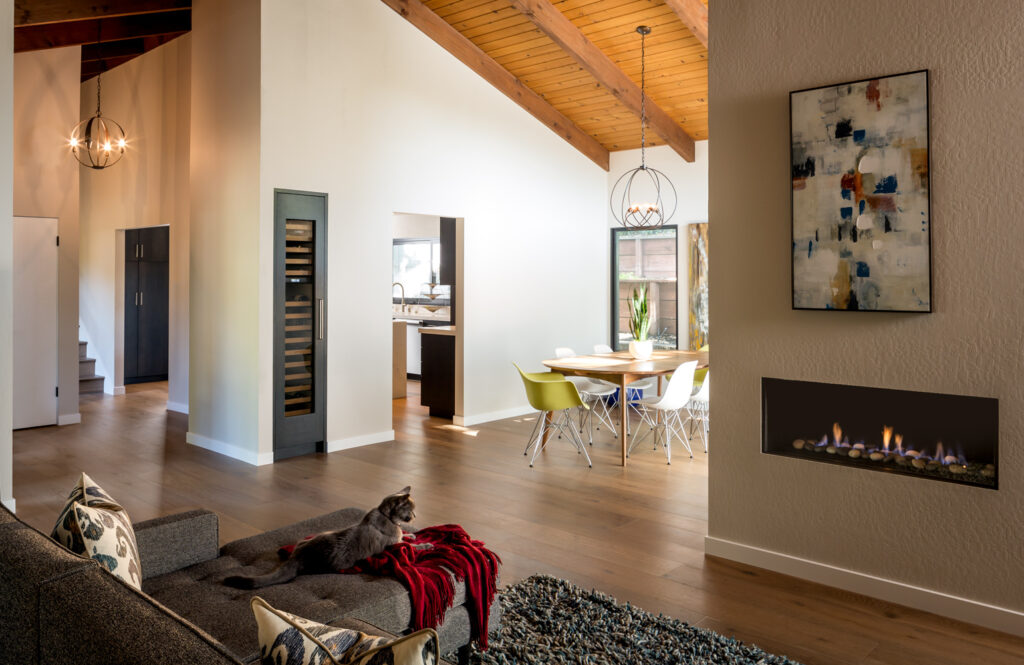
Open-concept living spaces can completely transform the way a home functions and feels. When done right, with careful planning and thoughtful design, these layouts provide a harmonious blend of style and practicality. They create open, airy environments that encourage family interaction, natural light, and seamless flow between rooms.
However, achieving this ideal space requires expert guidance to ensure structural integrity and optimal functionality. That’s why working with a design-build remodeling studio like Douglah Designs can make all the difference. From understanding structural needs to making sure every design choice enhances the space, we’re here to guide you every step of the way. If you’re ready to turn your vision into reality, reach out to us today, and let’s make your dream open-concept home a reality.