Renovate or Move? 5 Reasons East Bay Homeowners Often Choose Renovation
For many East Bay homeowners, the question does not begin with a desire to leave. It begins in a home they still care about deeply.
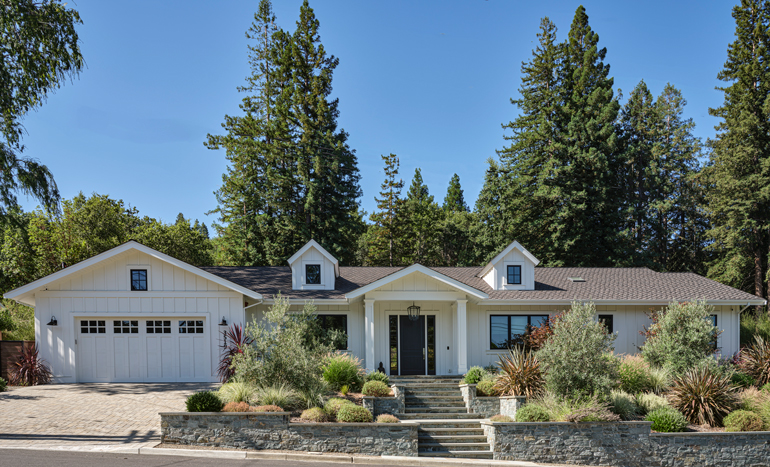
They may love their quiet street in Lafayette, the hillside views in Orinda, the established landscaping in Walnut Creek, the sense of community in Danville, or the space and privacy they found in Alamo. The location still feels right, but inside, the house may be telling a different story.
Rooms that once worked beautifully may now feel awkward, underused, or too small. A home that was ideal for one season of life may no longer support remote work, growing children, multigenerational living, entertaining, or plans for aging in place.
That is when many homeowners begin asking the same important question: Should I remodel or move?
The answer is not always simple. Moving can offer a fresh start, but it can also mean giving up a location, lot, view, or neighborhood that would be difficult to replace. For many East Bay homeowners, the decision to renovate or move comes down to more than square footage, mortgage, or resale value. It is about daily comfort, livability, personal priorities, and whether the current home has the potential to become what they need next.
Quick Answer: Should You Remodel or Move?
You should consider remodeling if you love your East Bay location, your current mortgage is financially favorable, and the main challenges with your home involve layout, storage, outdated kitchens or bathrooms, poor flow, accessibility, functionality, or finishes that no longer reflect how you live.
You should consider moving if the location no longer fits your lifestyle, the lot or structure cannot support the changes you want, or the home would require more work than makes sense for your goals, timeline, and budget.
Finances are often a major part of the decision. Many homeowners are reluctant to give up a favorable existing mortgage and take on a new loan for a different home, especially when current mortgage rates are higher than their existing rate. That does not automatically make remodeling the better choice, but it does make the financial comparison more important.
For many East Bay homeowners, the clearest answer comes from comparing what they would give up by moving, what they could realistically improve through renovation, and whether their current home can support the next stage of life.
Why Many East Bay Homeowners Choose to Remodel Instead of Move
The five reasons below explain why renovation is often the better path, and how a thoughtful home remodeling process can make the decision feel clearer, more intentional, and more achievable.
1. They Don’t Want to Leave Their Neighborhood
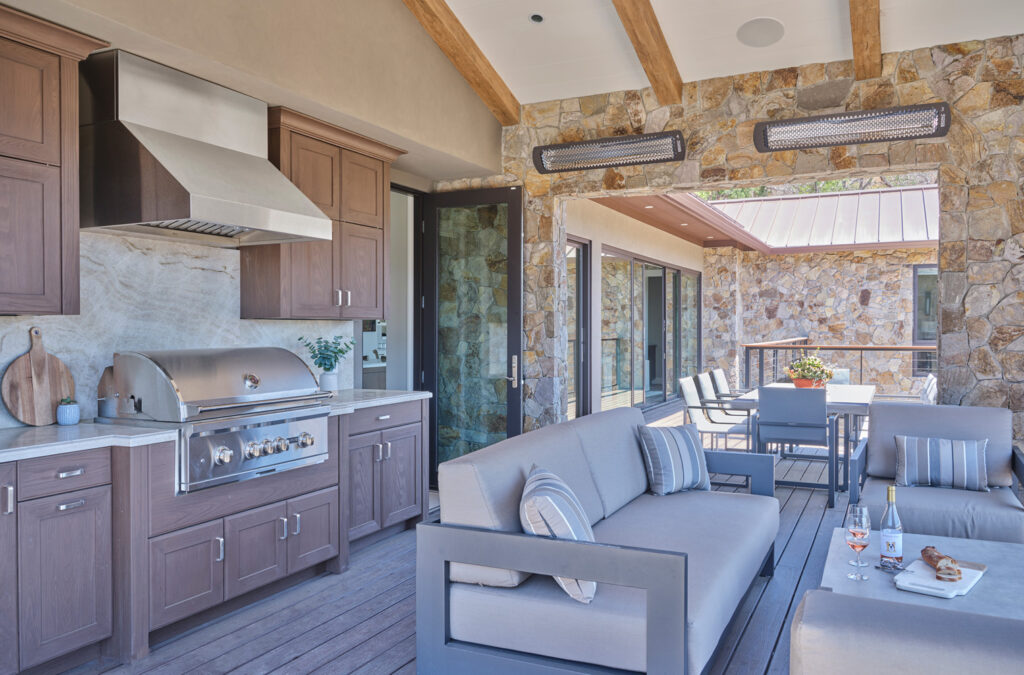
One of the clearest reasons East Bay homeowners choose renovation is that the location still feels right, even when the house itself needs to change. A well-loved neighborhood is not easy to duplicate. It may be the privacy of the lot, the shade of mature trees, the walk to town, the relationship with neighbors, or the way the home sits on the property. These details rarely show up fully in a real estate listing, but they shape how a family experiences home every day. Even when another home appears to offer more space or newer finishes, it may not offer the same setting, character, or sense of belonging.
Renovating allows homeowners to preserve what is already working while improving what is not. A dated kitchen, undersized bathroom, awkward floor plan, or underused room can be thoughtfully reimagined without sacrificing the location, lot, or architectural character that made the property valuable in the first place.
A custom home renovation makes that balance possible. It gives homeowners the opportunity to create a more functional, refined home while holding onto the place they already love. For many families, that is the strongest argument for staying: they are not trying to replace home; they are trying to make it work for the life they are living now.
2. Renovation Gives Them a Home That Fits Their Life Now
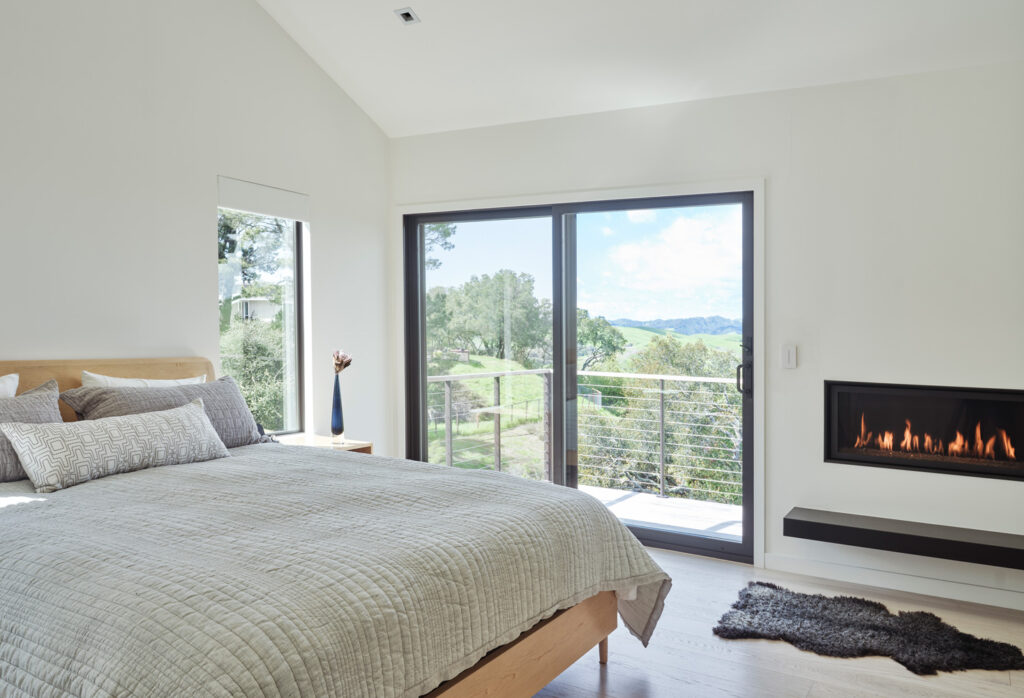
A home that once worked beautifully can begin to feel out of sync as life changes. Many homeowners assume they need more space when the real issue is that their existing space is no longer being used well.
The shifts are often gradual. Young children become teenagers who need more privacy. Adult children return home for a season. A once-occasional home office becomes a daily necessity. Entertaining becomes more central to family life, or multigenerational living introduces new needs for comfort, accessibility, and separation. For some homeowners, the priority becomes planning ahead with aging in place remodeling, including safer bathrooms, improved lighting, wider circulation paths, better main-level function, and layouts that can remain comfortable as needs change.
In these situations, moving is not always the most direct solution. A whole house remodel, kitchen remodeling project, bathroom remodeling project, or home addition can often reshape the home around how the family actually lives. Sometimes that means opening a disconnected kitchen, reworking underused formal rooms, adding a dedicated office, improving storage, or creating a stronger connection to the outdoors.
This is where renovation becomes deeply personal. The design can respond to real routines: how the family cooks, where guests gather, how much privacy each person needs, what needs to be stored, and how the home should support work, rest, hosting, and comfort. Instead of adapting to a layout that no longer fits, homeowners can make the space they already have work harder.
Buying another home may offer more square footage, but it does not guarantee better function. Many homes still come with cramped kitchens, too few bathrooms, limited storage, awkward room flow, or spaces that need substantial updates. Thoughtful remodeling can solve those issues with greater precision while preserving the parts of the current home that already work.
The result is a home with better flow, storage, lighting, accessibility, privacy, comfort, and daily ease—a home designed for the life its owners are living now.
3. The East Bay Housing Market Makes “Just Move” More Complicated Than It Sounds
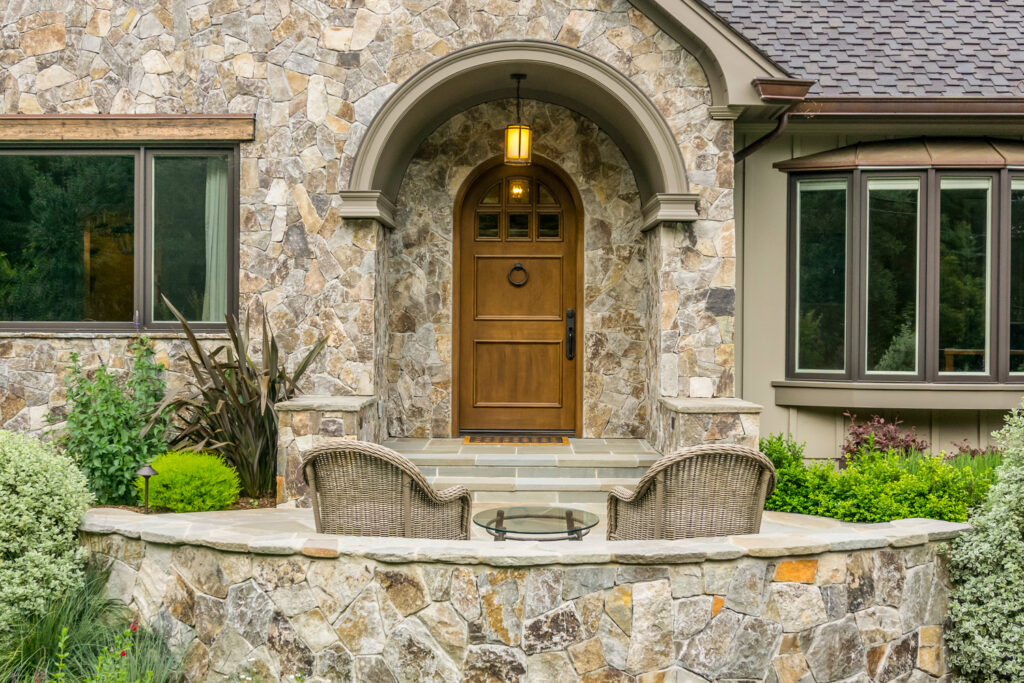
On paper, moving can sound like the simpler answer: sell the current home, buy one that seems to fit better, and begin again. In reality, the process is rarely that straightforward.
For East Bay homeowners, moving often comes with a long list of considerations. There are transaction costs, moving expenses, competitive offers, limited inventory in desirable neighborhoods, and possible tax implications to weigh. Depending on the homeowner’s current mortgage and the home they hope to purchase, monthly costs may also change significantly.
There is also the question of what they are actually buying next. Many resale homes in established East Bay communities still need updates. A homeowner may find a better floor plan or more square footage, but still inherit someone else’s dated kitchen, aging bathrooms, limited storage, or design choices that do not reflect their own taste or routines.
That is what makes moving vs renovating such a personal decision. Moving may solve one problem, but it can introduce several others. For homeowners who already own a home in a community they are rooted in, investing in the current property through home renovation can be a more strategic and personal way to create the home they want. The question becomes less about escaping the current home and more about whether the existing property can be improved with greater control and intention.
4. They Want Better Quality Than What They’ll Find on the Market

Move-in-ready does not always mean thoughtfully designed. Many homes are updated for immediate visual appeal, with finishes selected to photograph well and attract broad interest. They may look fresh at first glance, but that does not always translate into long-term comfort, craftsmanship, or design integrity.
This is especially important for homeowners who care about how a home lives, not just how it looks. Trend-driven finishes, generic materials, rushed improvements, and photo-ready rooms can leave behind the same functional problems: poor lighting, limited storage, awkward cabinetry, undersized fixtures, or surfaces that are not suited to daily use.
A high-end home renovation gives homeowners the opportunity to define quality for themselves. Instead of accepting someone else’s selections, they can choose materials, cabinetry, lighting, surfaces, fixtures, and architectural details that support both beauty and performance.
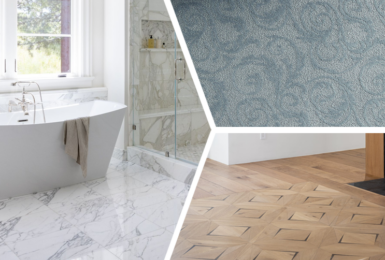
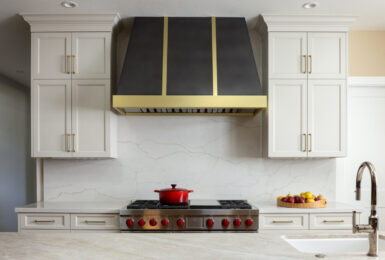
Quality shows up in the details: custom cabinetry built to the ceiling, storage designed around the way a family actually cooks and entertains, layered lighting that shifts from task work to evening ambience, durable stone surfaces selected for both elegance and longevity, and bathrooms designed for comfort rather than resale photography.
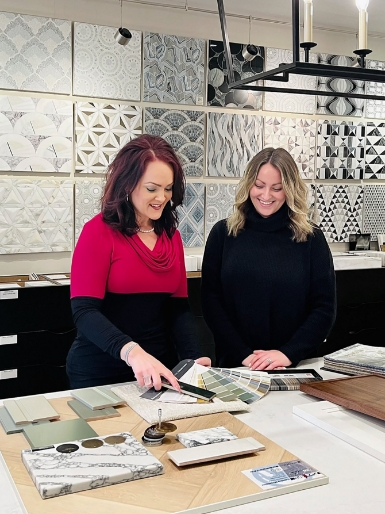
This is where curated selections matter. Through a carefully guided home remodeling process and resources like Luxe Home, homeowners can create a design language that feels cohesive, personal, and timeless. The goal is not to buy a home dressed for resale. It is to create a home with refined materials, elevated craftsmanship, and details that will continue to feel right for years.
5. A Design-Build Process Makes Renovation More Manageable


Even when homeowners see the potential in their current home, the thought of remodeling can feel overwhelming. They may worry about budget creep, construction delays, unclear communication, too many vendors, and the fatigue of making countless decisions while trying to manage daily life.
That is why the process matters as much as the design itself. A design-build remodeling process brings design, selections, budgeting, product sourcing, planning, and construction coordination into one connected system. Instead of asking homeowners to manage separate designers, contractors, vendors, product orders, and schedules, an integrated design-build team helps align the vision, scope, materials, timeline, and budget from the beginning.
For homeowners comparing remodeling vs. moving, this kind of early planning can be especially valuable. It gives them a clearer understanding of what their current home can realistically become before they commit to a major renovation or decide to leave a property they still love.
At Douglah Designs, this full-service approach brings together in-house interior design expertise, a dedicated construction team, curated product sourcing through Luxe Home, detailed planning, and project management under one roof. The goal is to resolve key decisions before construction begins, so the renovation can move forward with greater clarity, stronger coordination, and fewer surprises.
When design, budgeting, selections, and construction planning are aligned early, remodeling becomes less of an unknown and more of a guided process. Homeowners benefit from clearer communication, stronger accountability, and better alignment between the design vision and the realities of construction.
For many East Bay homeowners, that structure is what makes renovation feel achievable.
When Moving Still Makes Sense
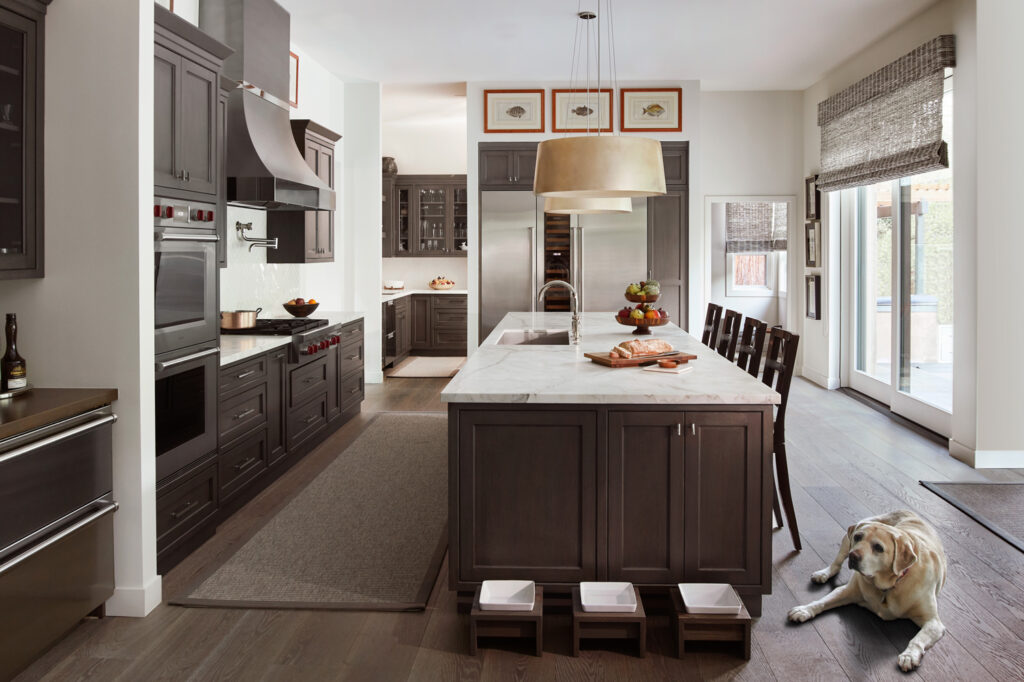
Renovation is a powerful option, but it is not always the right answer. A well-planned decision begins with understanding what the current home can realistically become and whether that future aligns with the homeowner’s larger goals.
Moving may make more sense if the lot cannot support the desired expansion, zoning or structural limitations are too restrictive, or the existing home would require more change than is practical. It may also be the better path if the homeowner wants a fundamentally different location, a smaller or larger property, a different lifestyle, or less responsibility for exterior upkeep, such as extensive landscaping, hillside maintenance, or a large lot.
The deeper question is not only whether the home can be changed. It is whether changing it will truly serve the way the household wants to live over the next 10 years. What feels frustrating every day? Which parts of the home are worth preserving? What would meaningfully improve comfort, function, and quality of life?
The goal is not to renovate at all costs. The goal is to make an informed decision based on the home, property, budget, lifestyle, and priorities for years to come. Home remodeling is often the strongest option when homeowners love where they live, and the existing home has the potential to support their next chapter with the right improvements.
Questions to Ask Before You Renovate or Move
Before deciding whether to renovate or move, it helps to look beyond square footage and think carefully about what is actually driving the decision. Start with these questions:
- Do you still love the neighborhood, lot, views, privacy, or location?
- Are the main frustrations related to layout, storage, finishes, lighting, outdated rooms, or poor flow?
- Could kitchen remodeling, bathroom remodeling, a home addition, or a whole house remodel solve the issues?
- Does the home have enough structural, zoning, and lot potential to support the changes you want?
- Would moving actually solve the problem, or would the next home also need renovation?
- How do you want to live in this home over the next 5 to 10 years?
If most of the answers point back to a location you love and a home with strong potential, renovation may be worth exploring before deciding to move. If the answers point to a fundamentally different lifestyle, location, or property need, moving may deserve a closer look.
Frequently Asked Questions About Renovating vs. Moving

- Moving vs. Renovating: Which Is Usually the Better Choice?
In the East Bay, renovating is often better when the homeowner loves the location and the home’s main problems can be solved through layout changes, kitchen remodeling, bathroom remodeling, storage improvements, or a whole-house remodel. Moving may be better when the location, lot, structure, or long-term lifestyle no longer fits. - Should I remodel or move if my home feels too small?
The answer depends on whether the issue is true square footage or poor function. A whole-house remodel, home addition, kitchen remodeling project, or bathroom remodeling project may solve layout and storage challenges without requiring a move. - What should I consider before deciding to renovate or move?
Consider how you want your home to function over the next 10 years, what frustrates you every day, and which parts of the home are worth preserving. A well-planned home renovation can improve daily life while supporting the property’s long-term value. - When does renovating make more sense than moving?
Renovating often makes more sense when homeowners love their current location, and the home’s main issues are layout, storage, finishes, or outdated spaces. A custom home renovation, whole house remodel, or targeted kitchen remodeling and bathroom remodeling project can help the home support the next chapter. - When does moving make more sense than remodeling?
Moving may make more sense if the homeowner wants a different location, a different property size, a different lifestyle, or less responsibility for exterior upkeep. It may also be the better choice if zoning, lot size, structural limitations, or project scope make the desired renovation impractical. - What types of remodeling projects make the biggest difference?
The projects that often make the biggest difference are the ones that improve daily function, flow, storage, comfort, lighting, accessibility, and long-term usability. These may include kitchen remodeling, bathroom remodeling, whole-house remodels, home additions, and aging-in-place remodeling. - How can a design-build remodeling process help homeowners decide?
A design-build remodeling process can help homeowners understand what is possible before committing to a major renovation. Because design, budgeting, selections, planning, and construction coordination are considered together, homeowners can better evaluate scope, priorities, and feasibility.
Creating the Home You Need in the Place You Love

For many East Bay families, the decision to renovate is ultimately a decision to stay rooted while moving forward. It offers the rare opportunity to keep the sense of place they already love while creating a home that feels aligned with the way they live.
A thoughtful design-build remodeling process can help bring that possibility into focus. Whether homeowners are beginning with an East Bay kitchen remodeling project or deciding whether to renovate or move, the most useful first step is understanding what the current home can realistically become. From there, they can compare renovation with the mortgage, transaction costs, tax considerations, and trade-offs of buying elsewhere.
Douglah Designs helps East Bay homeowners evaluate that possibility through a full-service design-build remodeling process, from early planning and interior design to curated selections, construction, and project management—so the decision becomes less about whether to leave and more about discovering what is possible within the home they already love. Contact us to start that conversation without any fees or commitments.