
Multigenerational Homes: Designing Spaces for All Ages
As multigenerational living becomes increasingly common across the U.S., more families are rethinking how their homes can support evolving household dynamics. As of 2021, nearly 60 million Americans—approximately 18% of the population—live in multigenerational households, according to the Pew Research Center. Whether it’s aging parents moving in, adult children returning home, or multiple generations choosing to live together under one roof, remodeling offers a unique opportunity to design spaces that are not only functional and flexible, but emotionally fulfilling as well.
Why Multigenerational Living is on the Rise

From economic shifts to cultural values, a range of factors is contributing to the rise in multigenerational home design:
Rising Housing Costs and Inflation
With the cost of living at historic highs, many families are turning to shared living as a practical solution. Combining households can significantly reduce expenses related to mortgages, rent, utilities, and childcare.
Built-in Caregiving for Both Ends of the Age Spectrum
Multigenerational households make it easier to care for aging parents while also supporting young children. This dual-care arrangement fosters convenience, strengthens family bonds, and often reduces reliance on outside care services.
Cultural Values That Celebrate Familial Support
In many communities, particularly among Asian, Black, and Hispanic households, living with extended family is rooted in long-standing cultural traditions. These values emphasize collective responsibility, interdependence, and the importance of staying connected across generations.
Emotional and Practical Benefits
Shared living can be deeply rewarding, offering companionship, increased security, and day-to-day support. According to the Pew Research Center, 58% of multigenerational residents say the arrangement is convenient, while 54% find it emotionally fulfilling.
The Remodeling Need

Remodeling is a strategic, cost-effective alternative to moving and often the smarter solution when accommodating multiple generations.
Maximizing What You Already Have
Renovating your existing home allows you to reconfigure layouts, upgrade systems, and introduce new functionality without the stress of relocating. It’s an efficient way to tailor your space to meet evolving household needs while preserving the comfort and familiarity of home.
Enhancing Long-term Value and Usability
Multigenerational house plans offer broader market appeal and greater adaptability for the future. Adding features like accessible bathrooms, private living areas, or energy-efficient upgrades can significantly boost both functionality and resale potential.
Supporting Evolving Family Structures
As family dynamics shift over time, your home should be able to adapt with them. Remodeling with flexibility in mind allows for seamless transitions, whether welcoming an elderly parent today or an adult child in the years to come.
Key Features of a Multigenerational Remodel
Privacy & Independence
In-law Suites, Basement Apartments, and ADUs
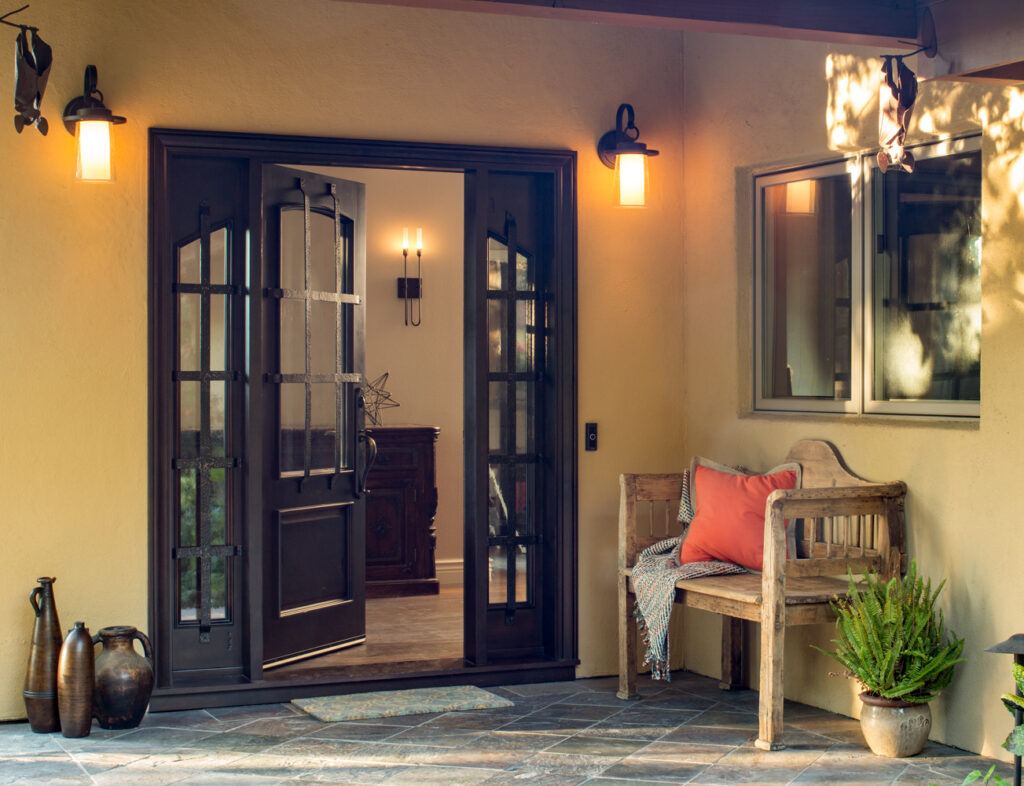
Dedicated living spaces, such as in-law suites, finished basements, or accessory dwelling units (ADUs), create separation without sacrificing connection. These self-contained areas typically include a bedroom, bathroom, kitchenette, and living space, offering older adults or returning children both privacy and a sense of autonomy within the family home.
Private Entrances or Garage Access
Incorporating a separate entrance or modifying an existing garage entry allows residents to come and go independently. This thoughtful detail helps reduce household congestion, respects varying schedules, and supports a more harmonious daily routine for everyone under one roof.
Accessibility for Aging in Place
Universal Bathroom Layouts
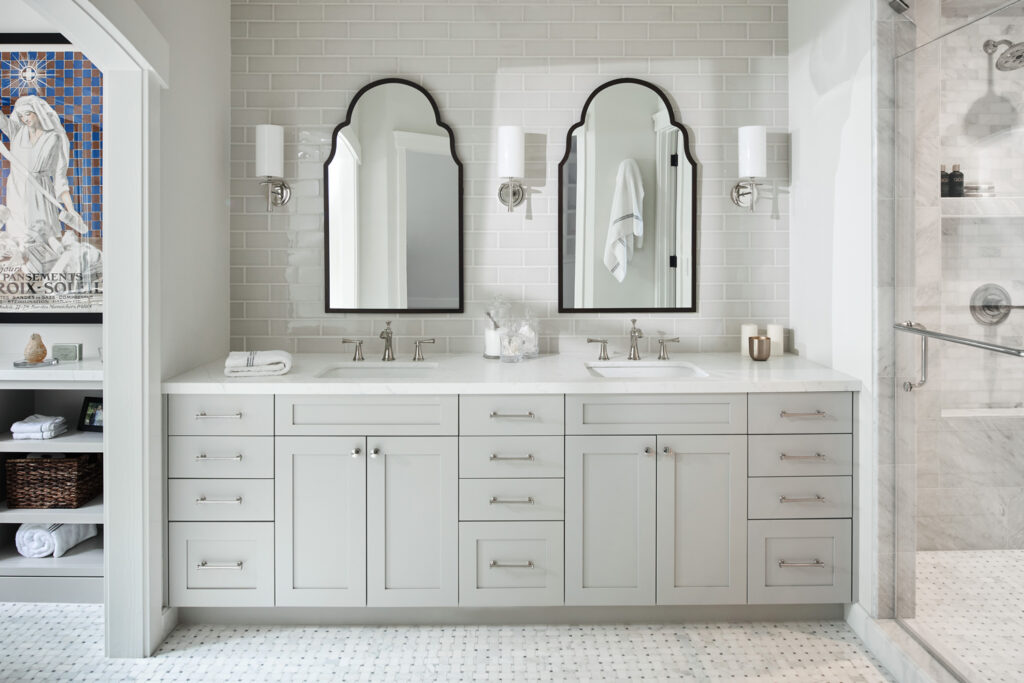
Also known as universally accessible or inclusive design, this approach ensures bathrooms are functional for people of all ages, sizes, and mobility levels. Features like wall-mounted sinks, handheld showerheads, and open turning space support ease of use for everyone, whether it’s a grandparent with a walker, a parent with a stroller, or a child learning independence.
Zero-threshold Showers, Lever Handles, and Grab Bars
These features reduce the risk of slips and falls, making bathrooms and entryways safer for older adults or anyone with limited mobility. They also help ensure that the home remains accessible and functional as physical needs evolve over time.
Wider Doorways and Hallways
Expanding circulation paths is essential for wheelchair users, walkers, and even strollers. This design choice not only enhances mobility but also adds an open, spacious feel to the home.
First-floor Bedroom Suites
Locating primary or secondary bedroom suites on the ground floor eliminates the need to navigate stairs. This is a valuable consideration for aging in place, injury recovery, or long-term comfort.
Shared Living, Smartly Designed

Open-concept Kitchens With Large Islands and Dual Appliances
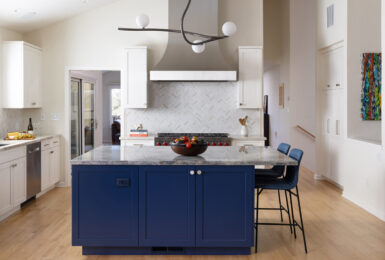
An open kitchen fosters interaction and makes it easy for multiple family members to cook, clean, and gather together. Large islands provide seating and prep space, while dual ovens, sinks, or dishwashers enhance efficiency during busy meals.
Zoned Seating Areas for Varied Activities
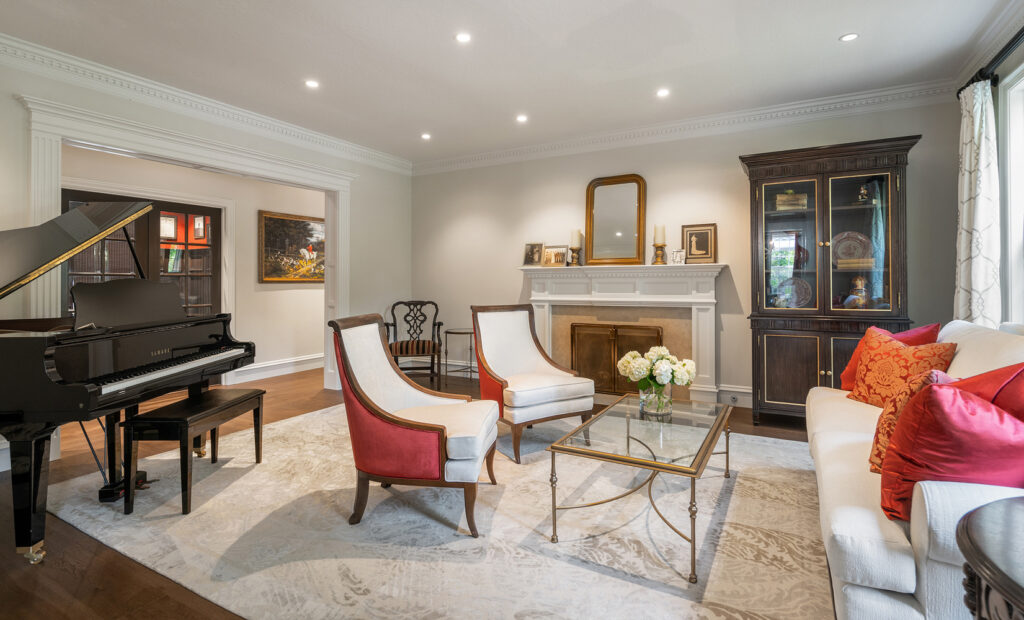
A well-designed multigenerational home provides distinct yet interconnected spaces that cater to the diverse needs of its occupants. From a quiet reading nook or music room to a vibrant play zone for kids and a media space for teens, zoning allows each generation to enjoy the home on their terms.
Flexible Dining Layouts
Multigenerational households often require dining spaces that can scale for both daily use and larger gatherings. Extendable tables, banquettes, and open layouts ensure comfort and adaptability, whether it’s a weeknight dinner or a holiday celebration.
Multi-Tv Family Rooms and Kid-friendly Zones
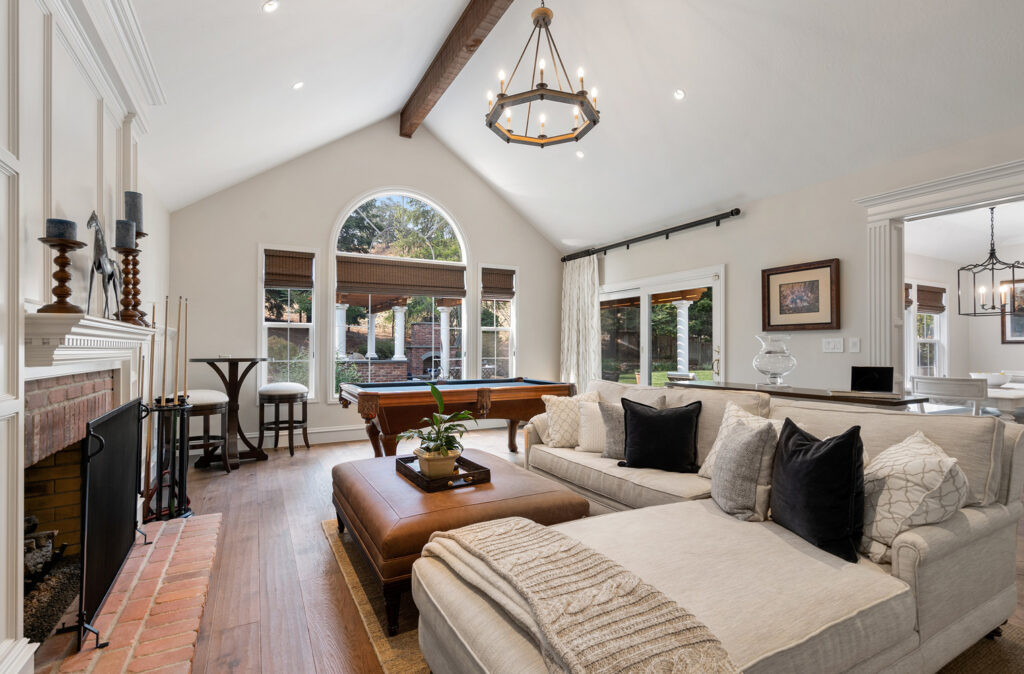
Designing spaces with different entertainment needs in mind helps avoid conflict and fosters harmony. Multiple screens, cozy corners, and designated play or craft areas allow the home to accommodate diverse routines and leisure activities simultaneously.
Soundproofing & Storage
Acoustic Insulation Between Floors or Bedrooms
Noise can quickly become a source of tension in a full household. Installing acoustic insulation in walls, ceilings, and floors helps minimize sound transfer, creating quieter zones for rest, work, or study.
Solid-core Doors for Added Quiet
Upgrading to solid-core doors improves sound control between rooms. This simple enhancement is particularly valuable for bedrooms, offices, or any space where privacy is essential.
Custom Built-ins, Cubbies, and Closets
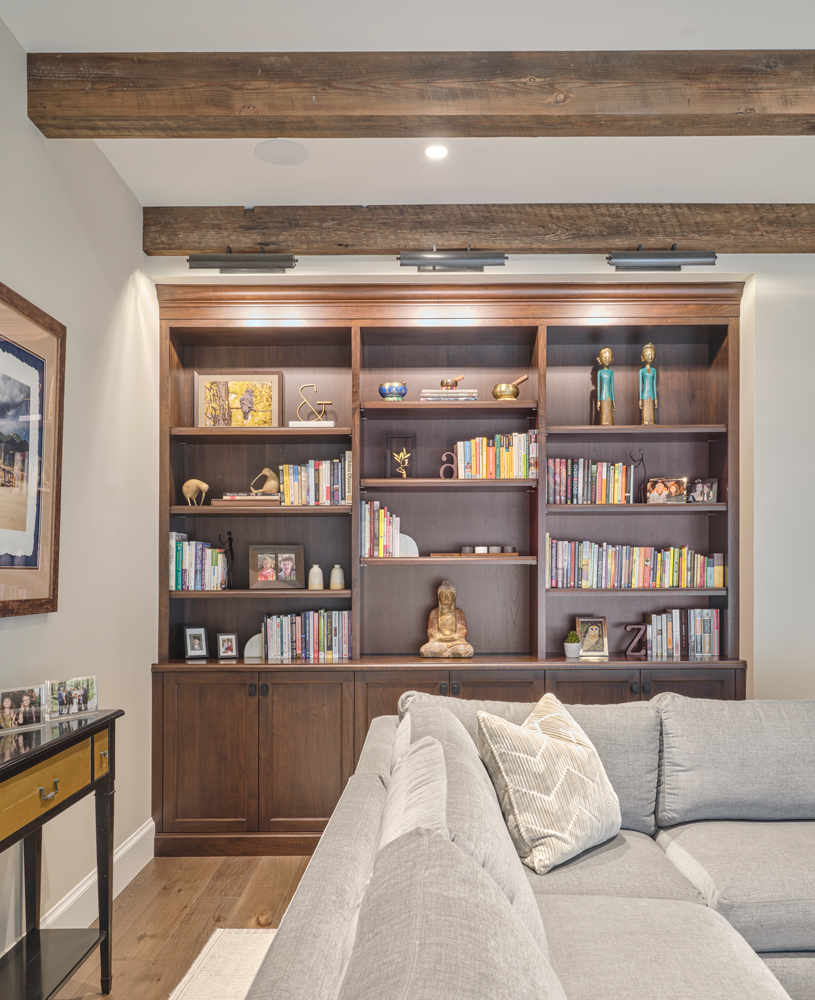
Storage is crucial to maintaining functional and organized shared spaces. Well-designed built-ins and personalized storage zones ensure that each generation has a place for their belongings, reducing clutter and promoting household harmony.
Before You Start – A Planning Checklist
Before you begin designing a multigenerational home, take time to assess your household’s current needs and anticipate future changes. Asking the right questions up front can lead to more functional, enduring results:
- How many generations will be living in the home, and what are their specific lifestyle needs?
This helps determine the number of private living areas, sleeping quarters, and shared zones required. Tailoring the layout based on generational needs ensures that everyone, from toddlers to seniors, has space that suits their lifestyle. - Do any residents require accessibility accommodations now—or might they in the near future?
Proactively incorporating features like no-step entries, wider hallways, and accessible bathrooms prevents costly retrofits later. These choices make the home safer and more comfortable for residents of all abilities. - How many private bathrooms and living areas are necessary to maintain comfort and privacy?
Identifying these needs early avoids future conflicts over shared resources. Providing adequate personal space contributes to household harmony and day-to-day convenience. - Will you need separate entrances for any household members, or is shared access appropriate?
This decision impacts both privacy and functionality. Separate entrances can support independence for adult children or elderly parents, especially if they maintain distinct schedules or work routines. - Which common spaces—kitchen, dining, living—need to serve multiple functions throughout the day?
Clarifying usage patterns informs zoning and furniture layout. Multifunctional spaces that flex between cooking, working, studying, and relaxing can serve all generations efficiently. - Are there any long-term plans (e.g., aging in place, working from home) that should be factored into your layout or infrastructure?
Considering future needs allows for smarter investment in structural design and systems. Whether it’s adding a home office, reinforcing bathroom walls for future grab bars, or planning for a first-floor suite, early decisions can extend the home’s usefulness for decades.
Common Mistakes to Avoid

Avoiding these missteps can help ensure your remodel is both functional and future-ready:
Skipping Privacy Planning
Without clearly defined personal zones, even close families can experience stress and frustration. Prioritizing separate living quarters helps preserve relationships and gives everyone space to decompress.
Neglecting Soundproofing
In a multigenerational home, different schedules and noise levels are inevitable. Failing to include proper acoustic insulation can lead to ongoing noise conflicts and a lack of restful spaces.
Forgetting Future-proof Features
It’s easy to focus on immediate needs, but overlooking accessibility or aging-in-place considerations can result in avoidable renovations down the road. Incorporating universal design from the start adds long-term value and usability.
Overloading Shared Kitchens or Bathrooms
If your design doesn’t reflect increased daily use, traffic jams and storage shortages can quickly occur. Planning for sufficient appliances, counter space, and bathroom capacity is essential to keeping the household running smoothly.
Ignoring HVAC Zoning
Different generations may have vastly different temperature preferences. HVAC zoning ensures comfort across the home, reducing thermostat disputes and improving energy efficiency.
Designing for the Future of Family Living

As baby boomers age and younger generations navigate rising housing costs, multigenerational living continues to gain traction across the U.S. In response, many cities are relaxing zoning regulations to allow for ADUs and in-law suites, making it easier than ever to adapt your home for evolving needs.
A well-executed remodel doesn’t just accommodate today’s family structure; it anticipates what’s next. Whether you’re designing for connection, independence, or long-term accessibility, thoughtful planning and expert guidance can help you create a home where every generation thrives.
Our Lafayette design-build remodeling studio specializes in tailoring luxury solutions for every stage of life. With decades of experience guiding complex remodels from concept to completion, we understand the nuances of designing for diverse households. From thoughtful layouts to elevated finishes, we can help you craft a home that feels cohesive, elegant, and entirely your own—no matter how many generations live within it.