Choosing Cabinet Hardware: A Practical Guide to Style, Size, and Placement
Cabinet hardware is often described as the “jewelry” of a space, an understated yet essential detail that brings both function and visual cohesion to cabinetry. While cabinetry establishes the foundation, it is the hardware that refines the experience, influencing how a space looks, feels, and performs in everyday use. The right knobs, pulls, finishes, and placement choices can make a kitchen, bathroom, or built-in feel more cohesive, practical, and refined.
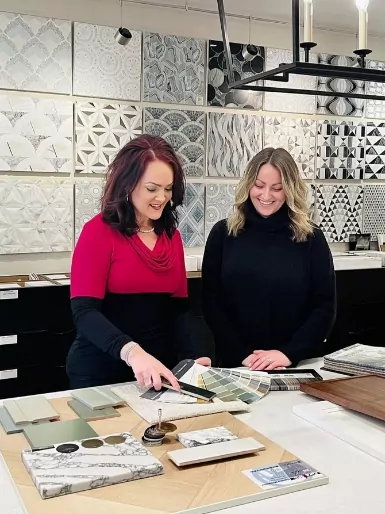
At Luxe Home, cabinet hardware is approached as part of a larger, curated design story. Within our East Bay cabinet hardware showroom, homeowners and design professionals can explore a considered selection of styles, finishes, and materials, all supported by in-store designers who provide expert guidance at every step.
This cabinet hardware guide is designed to simplify how to choose cabinet hardware by focusing on the decisions that matter most, from overall design direction to function, proportion, and finish.
Aligning Hardware with Your Overall Design Direction
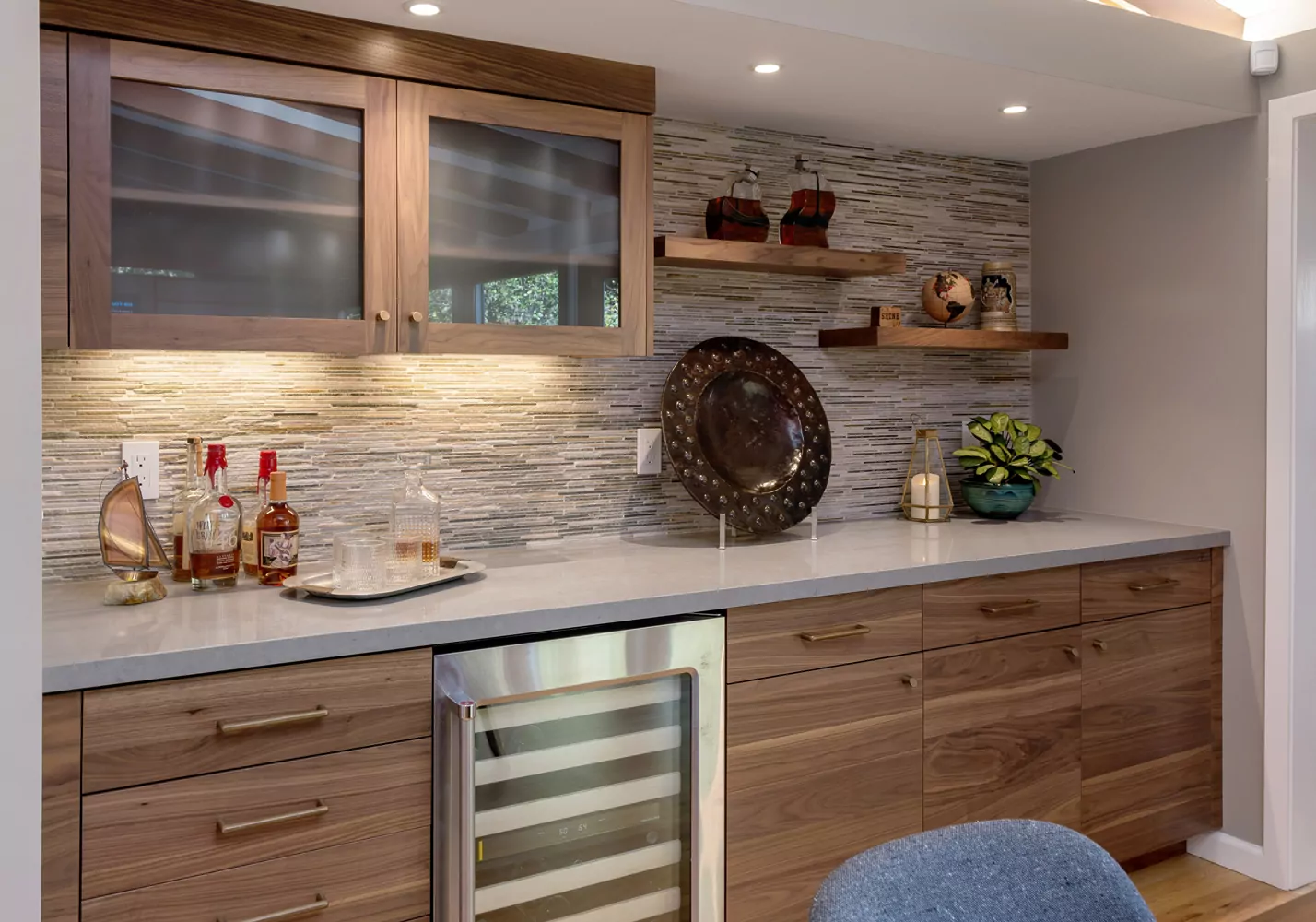
Cabinet hardware should feel like a natural extension of the home’s overall design, reinforcing its architectural and interior language rather than competing for attention. When thoughtfully selected, it supports the broader vision of the space, quietly enhancing cabinetry without overwhelming it.
In more contemporary interiors, minimal hardware tends to feel most appropriate, allowing clean lines and simplicity to take precedence. In contrast, traditional spaces often benefit from more detailed or expressive forms that echo classic millwork and layered design elements.
Most homes, however, are not purely one style. They often blend influences, making balance and restraint essential to achieving a timeless result. Rather than leaning too heavily in one direction, the goal is to select hardware that feels considered within the broader context of the space.
Ultimately, shape, finish, and proportion should work together to create a cohesive visual experience. When these elements are aligned, cabinet hardware becomes an integrated part of the design.
Choosing Between Knobs, Pulls, and Specialty Hardware

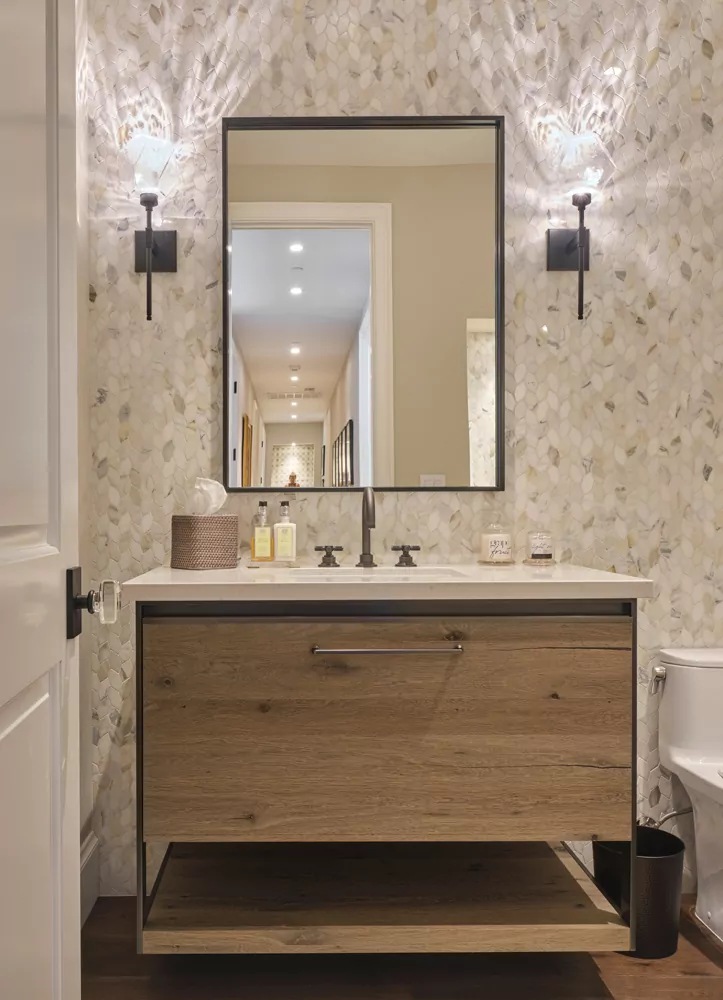
Among the many types of hardware, cabinet knobs and pulls are the most commonly used, with the choice between them shaping both the look of the cabinetry and how it functions in daily use. Rather than approaching this as a purely aesthetic choice, it is best considered through the lens of usability, scale, and overall design intent.
Knobs are compact and understated, making them well-suited for cabinet doors and smaller-scale applications where a lighter visual touch is desired. Pulls, by contrast, offer greater functionality and versatility, particularly on drawers and larger cabinet fronts where ease of use becomes more important. This distinction often comes up when selecting kitchen cabinet hardware, particularly when comparing kitchen cabinet pulls vs knobs, as well as in bathroom cabinet hardware where both comfort and scale play an important role.
From a practical standpoint, pulls provide a more natural, whole-hand grip, making them especially comfortable for frequent use and wider drawers. Knobs, while visually minimal, require a more precise grip and are often best used in areas with lighter, less repetitive use. Many well-designed spaces combine both, using pulls where function is prioritized and knobs where subtlety is preferred.
Specialty hardware, including appliance pulls, extends this thinking further by addressing the needs of integrated appliances and custom cabinetry. These pieces are designed to provide the scale and durability required for larger panels while maintaining visual continuity with surrounding hardware.
The decision should balance how the space looks with how it feels to use. Thoughtful selection supports not only immediate comfort but also long-term livability, including aging-in-place, ensuring that cabinetry remains intuitive and effortless over time.
Getting Scale and Placement Right
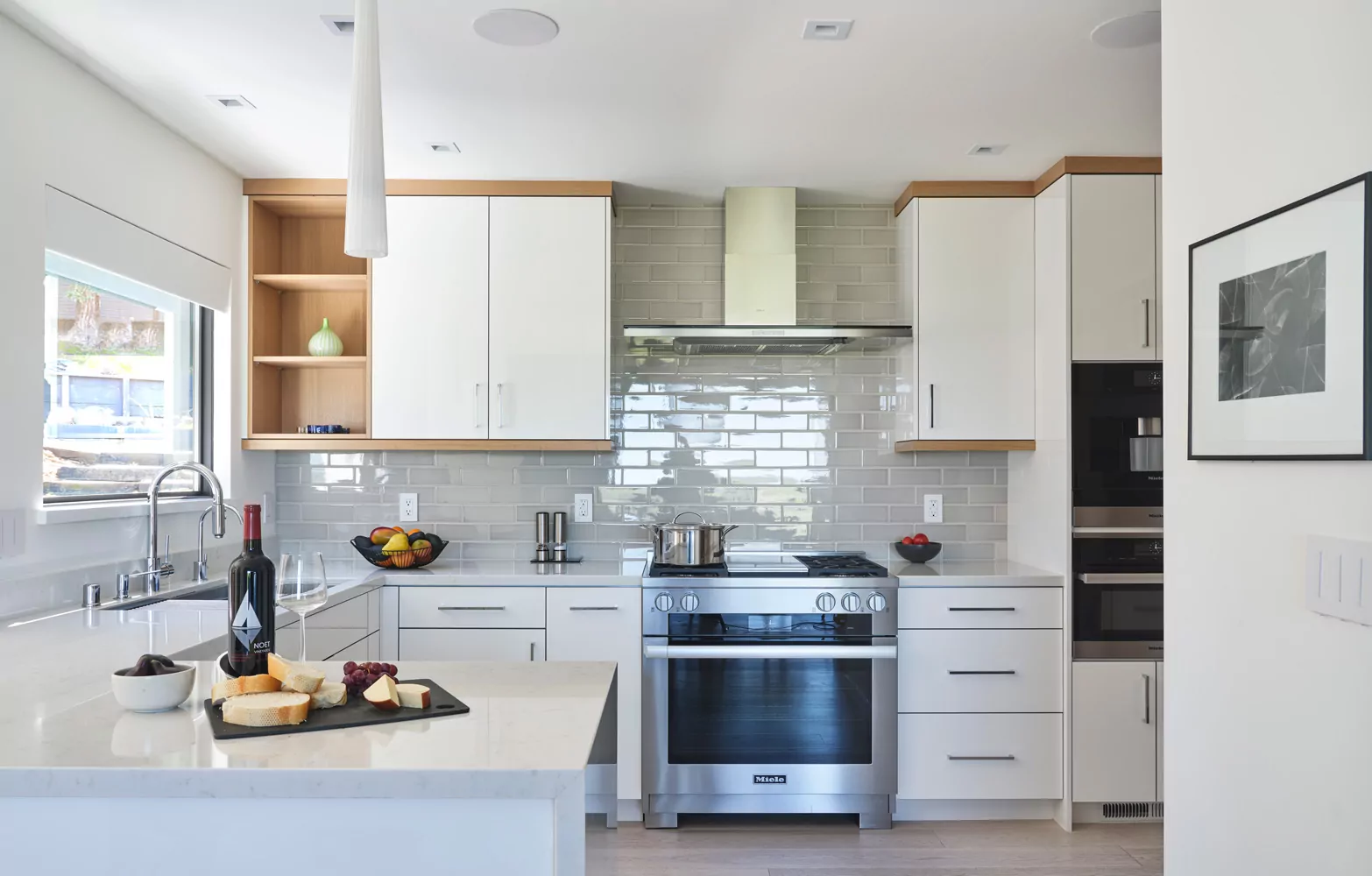
Scale plays a defining role in how cabinet hardware looks and functions within a space. As part of any cabinet hardware size guide, proportions should relate thoughtfully to cabinet dimensions to create a balanced and intuitive result.
In practice, longer pulls are often better suited for wider drawers, where they provide both visual balance and improved ease of use. Cabinet doors, depending on their scale, can accommodate either knobs or shorter pulls, as long as the selection feels proportionate to the overall design. In more contemporary settings, oversized hardware is often used intentionally to create a stronger, more architectural presence.
Beyond size, placement also has a direct impact on usability. Thoughtfully positioned hardware can reduce unnecessary reaching or strain, particularly in high-use areas such as lower drawers or upper cabinetry. This is where function and comfort become just as important as visual alignment.
Standard placement conventions, such as centering hardware on drawer fronts or aligning it along door stiles, serve as a reliable starting point within a cabinet hardware placement guide. From there, subtle adjustments in height or length can further refine the experience, improving comfort without disrupting the overall composition.
The Role of Finishes in Cabinet Hardware
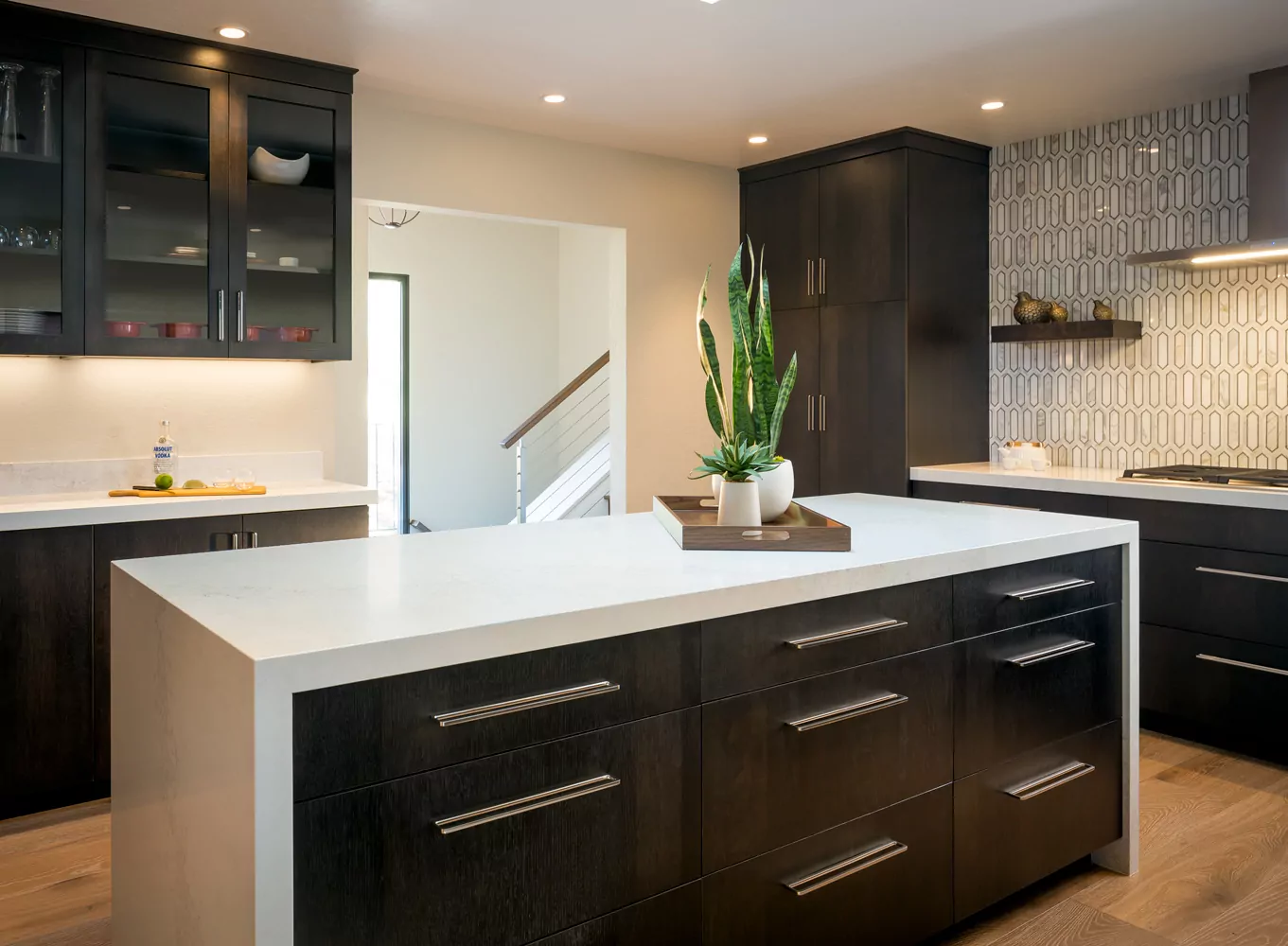
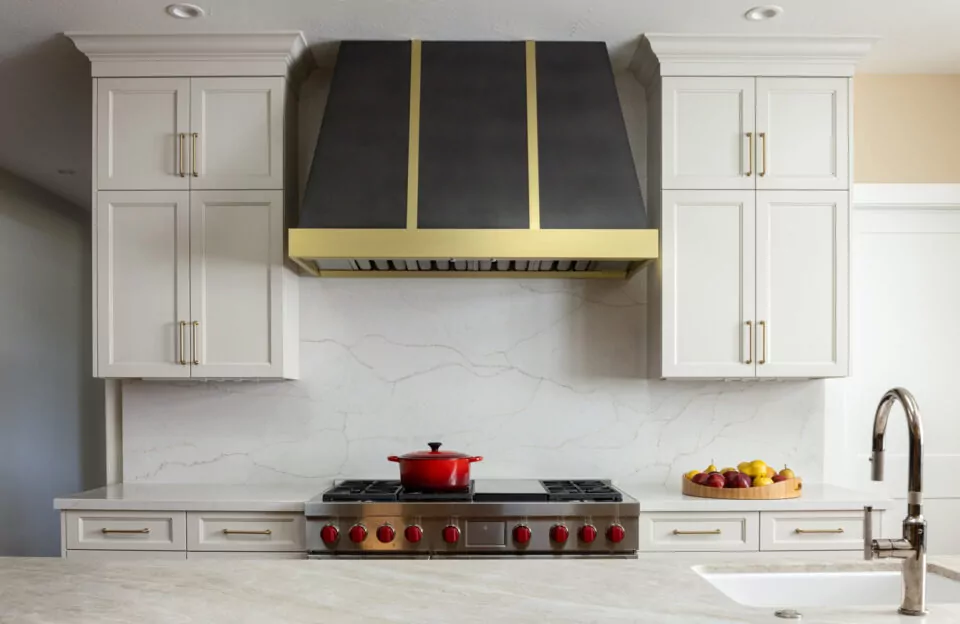
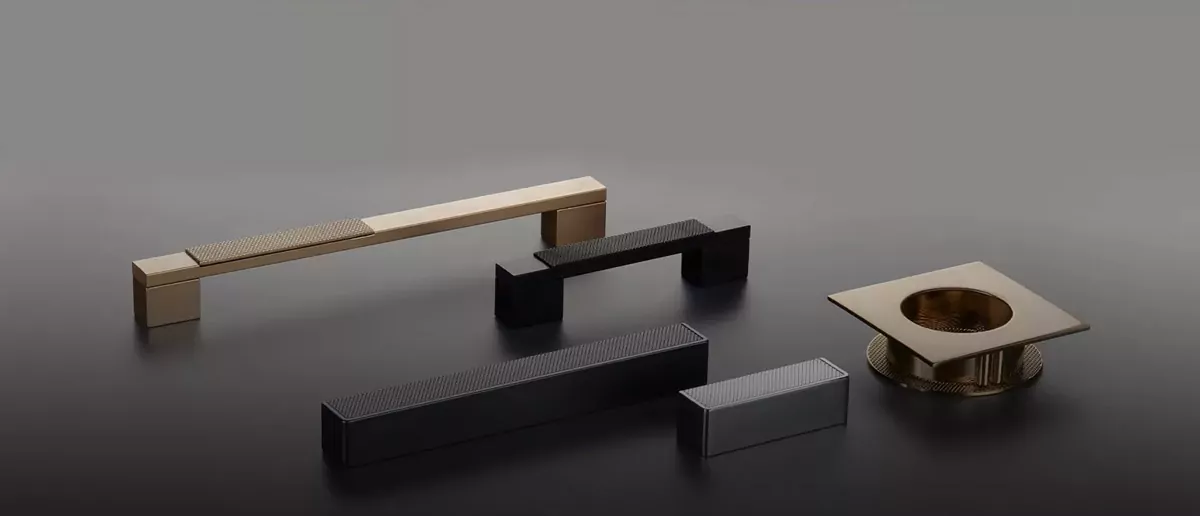
Cabinet hardware finishes play an important role in how hardware interacts with the rest of the space, influencing how it reflects light, complements cabinetry, and relates to surrounding materials. There are several common types of hardware finishes, each bringing a distinct character depending on how they interact with light, cabinetry, and surrounding materials. Polished chrome feels crisp and reflective, often suited to more modern environments. Brushed nickel cabinet hardware offers a softer, more understated look that works across a range of styles. Matte black cabinet hardware introduces contrast and definition, while satin brass cabinet hardware adds warmth with a refined, consistent tone. Unlacquered brass evolves over time, developing a natural patina, and oil-rubbed bronze cabinet hardware provides a deeper, more traditional richness.
Matching finishes can create a sense of visual calm, particularly in more minimal spaces. In other settings, thoughtfully mixing finishes can introduce depth and subtle contrast, especially when coordinated with lighting and plumbing fixtures.
Durability is also an important consideration. Some finishes are more forgiving in high-touch areas, while others will show wear or develop character over time. Textured or brushed finishes, for example, tend to conceal fingerprints and can offer a more secure grip compared to high-polish surfaces, making them well-suited for frequently used areas.
Ultimately, the right finish is one that feels integrated into the broader material palette, supporting both the look of the space and the way it functions day to day.
Material and Craftsmanship: What Sets Quality Apart
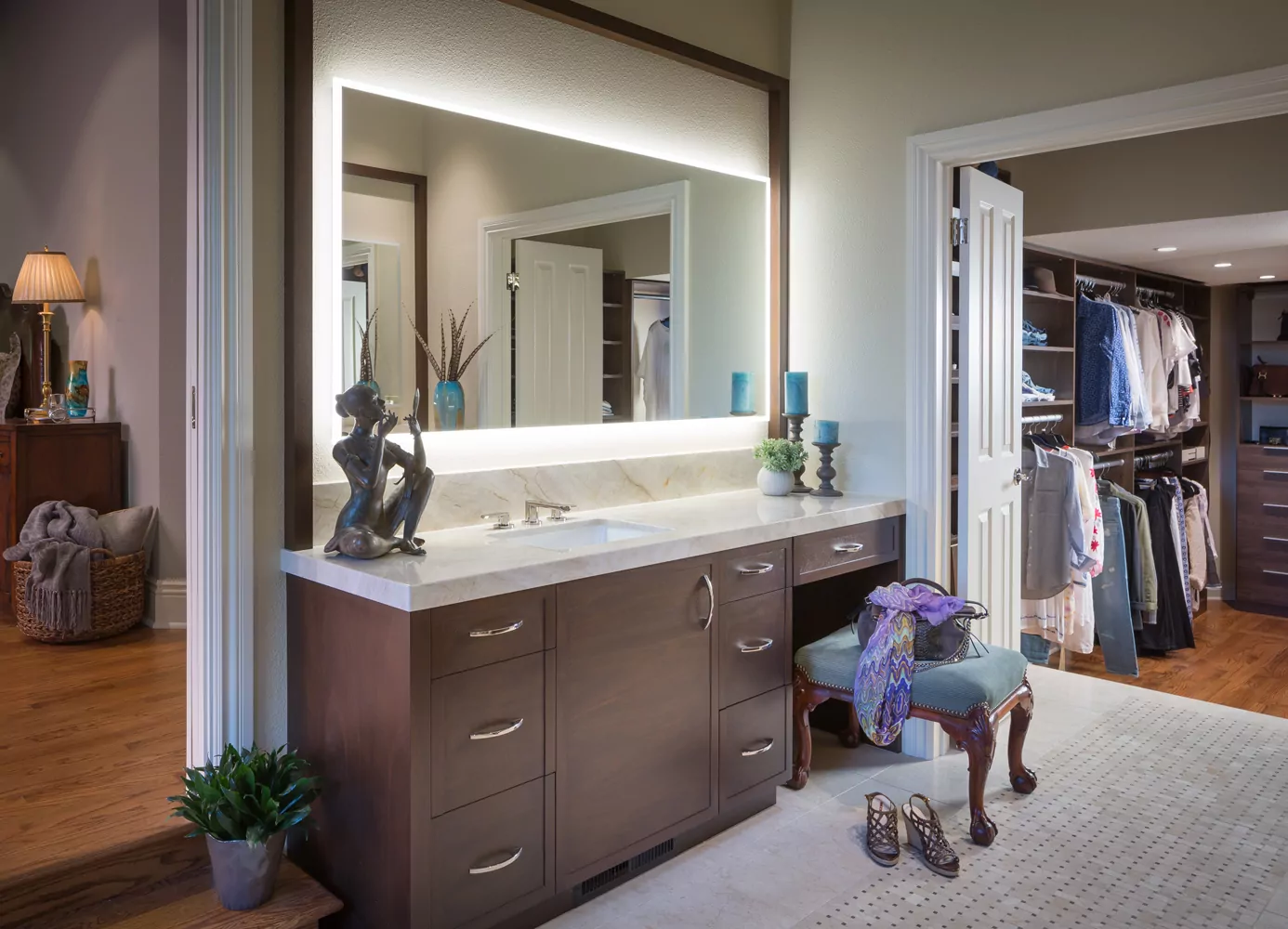
The material behind cabinet hardware plays a significant role in how it performs over time. Solid brass, for example, is known for its weight and durability, offering a more substantial feel and long-term resilience. Zinc is often lighter and more cost-effective, while stainless steel provides strength and corrosion resistance, particularly in high-moisture environments.
Higher-quality materials tend to feel more solid in hand and hold up better with daily use. This difference becomes noticeable over time, especially in frequently used areas where durability and consistency matter.
Craftsmanship is equally important. Well-made hardware operates smoothly, requiring less force and offering a more controlled, comfortable experience. Details such as clean edges, balanced proportions, and consistent finishes contribute to a more refined overall look.
Creating Cohesion Through Thoughtful Combinations

Combining different types of cabinet hardware can add both functional clarity and visual interest when approached with intention. Rather than using a single option throughout, many well-designed spaces incorporate a mix of knobs and pulls to better suit how each cabinet is used.
A common approach is to use pulls on larger or heavier drawers, where ease of use is most important, and knobs on cabinet doors for a more minimal, understated look. This balance allows the hardware to respond to the needs of the space while maintaining a clean overall aesthetic.
Consistency is key to ensuring these combinations feel cohesive rather than fragmented. This can be achieved by maintaining a unified finish, repeating similar shapes, or selecting pieces from the same design family. When these elements align, the mix feels deliberate rather than accidental.
There are also opportunities to introduce subtle moments of emphasis. Statement decorative hardware can be used on kitchen islands or custom vanities to create a focal point, while specialty details such as backplates or uniquely shaped pieces can add depth and character without overwhelming the design.
When thoughtfully composed, these combinations bring a sense of rhythm and refinement to the space, supporting both how it looks and how it functions.
Design That Feels as Good as It Looks
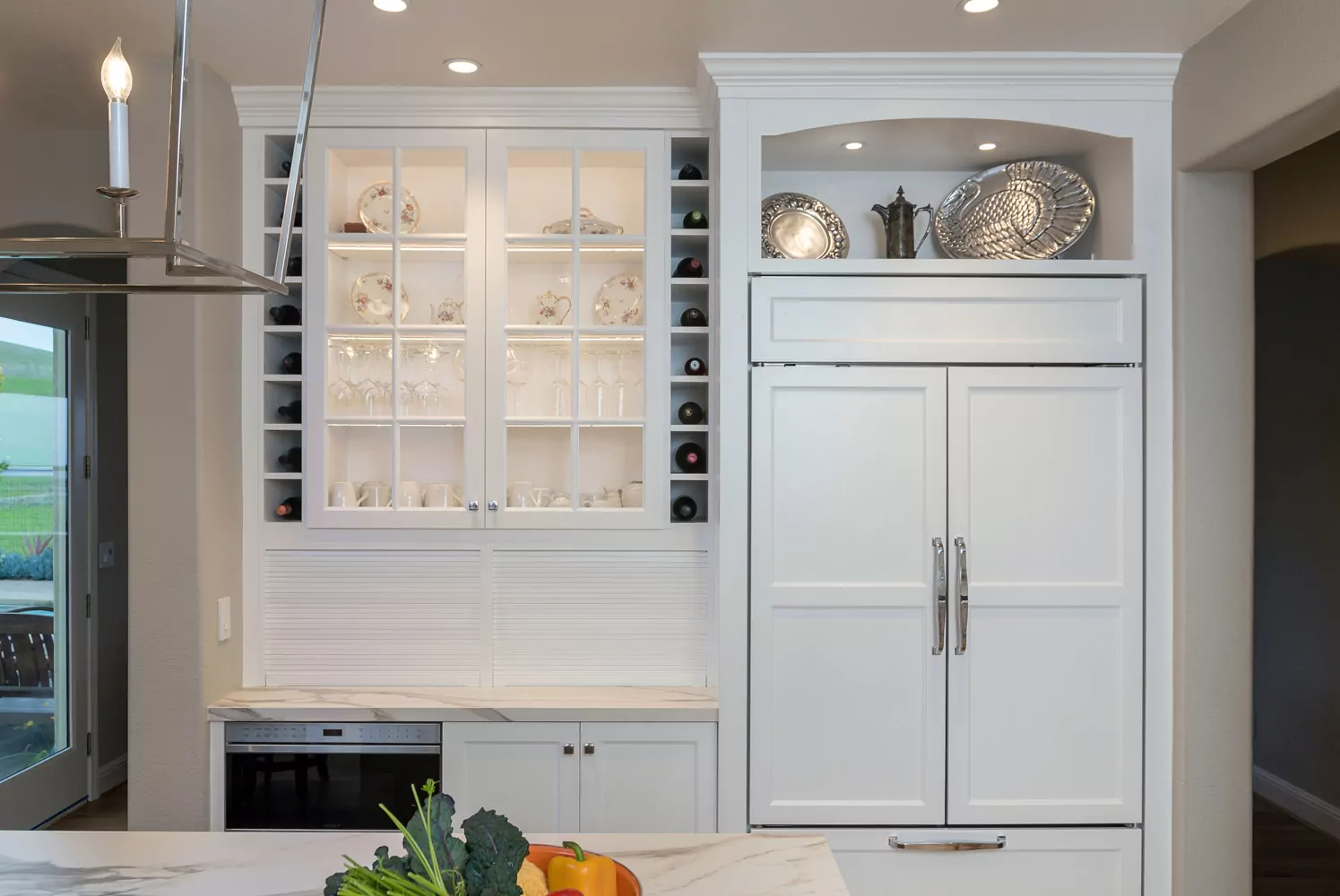
The most successful interiors are not defined solely by how they appear, but by how they function over time. While visual impact draws you in, it is ease of use that ultimately defines how a space is experienced day to day.
Cabinet hardware is among the most frequently used elements in a home, making comfort and intuitiveness essential. Pieces that are easy to grip, smooth to operate, and forgiving in daily use contribute to a sense of effortlessness that distinguishes well-resolved design from purely visual styling.
This is where quality, proportion, and usability come together. When thoughtfully considered, these elements create spaces that feel refined not only at installation but in everyday living.
These decisions also play an important role in long-term livability, including aging-in-place. Hardware that is comfortable and accessible helps ensure that the space continues to function with ease over time, supporting a home that remains both beautiful and practical well into the future.
A Curated Approach to Cabinet Hardware
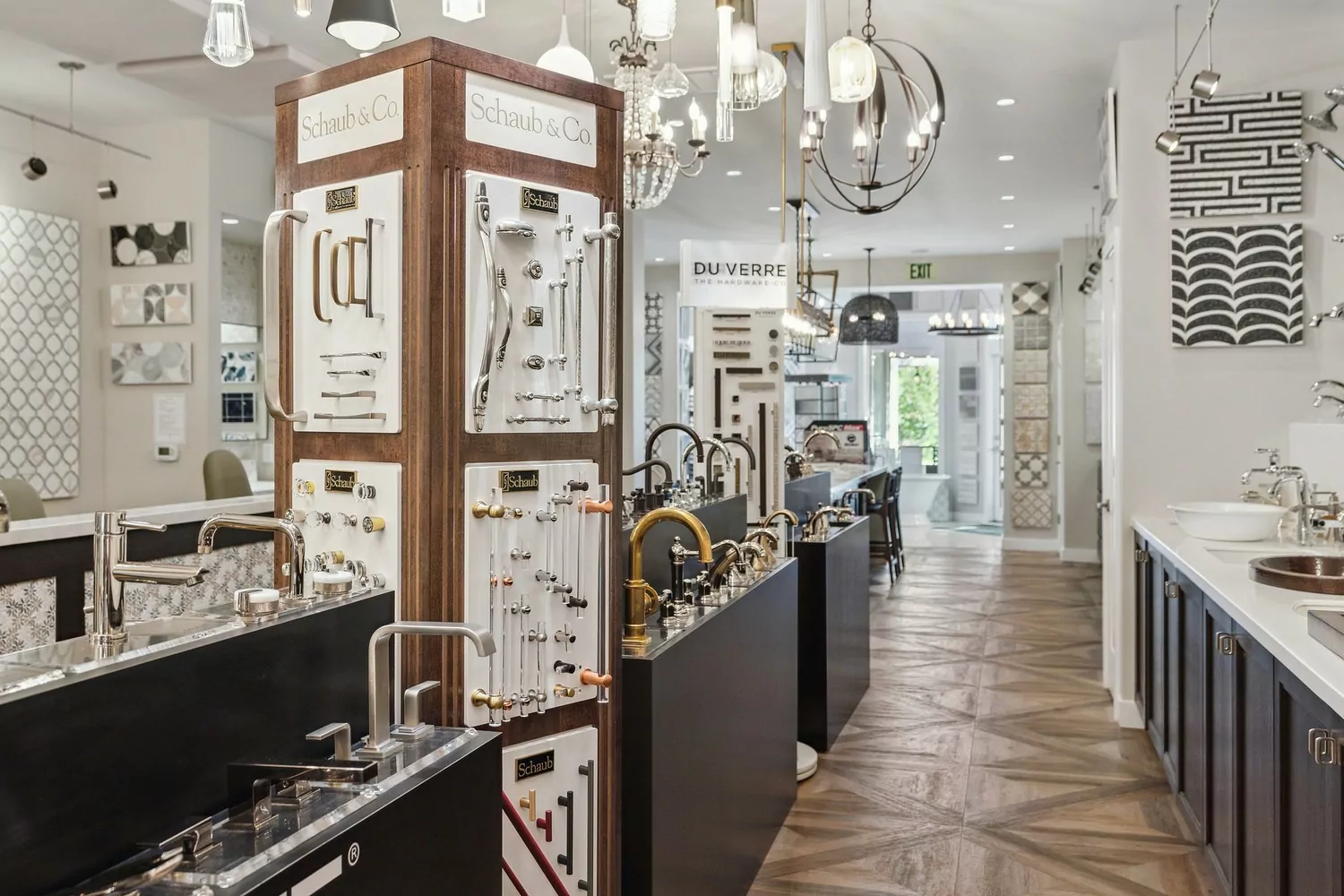
At Luxe Home, cabinet hardware is presented as part of a thoughtfully edited collection rather than an overwhelming assortment of options. The showroom brings together leading cabinet hardware brands, each selected for its craftsmanship, finish quality, and design versatility.
This level of curation simplifies the decision-making process. By experiencing these collections together, comparing finishes, proportions, and details side by side, it becomes easier to select hardware that feels cohesive across kitchens, bathrooms, and beyond.
Once a direction is established, our team assists in specifying and ordering the appropriate pieces for the full scope of the project, ensuring continuity from concept through installation.
At-a-Glance: Luxe Home Cabinet Hardware
| Category | What Defines It at Luxe Home | Featured Brands | Ideal Use |
| Knobs & Pulls | Versatile, design-forward pieces that balance everyday function with refined aesthetics | Top Knobs, Atlas Homewares, Du Verre | Kitchens, bathrooms, and built-ins requiring both performance and style |
| Elevated Classics | Timeless, well-crafted hardware with a focus on quality materials and enduring design | Emtek, Baldwin, Ashley Norton | Whole-home cohesion across traditional, transitional, and modern interiors |
| Statement & Artisan Hardware | Sculptural, highly detailed, and design-forward pieces that create visual impact | Schaub, Rocky Mountain Hardware, Du Verre | Feature cabinetry, kitchen islands, and focal design moments |
| Specialty & Boutique Collections | Distinctive hardware with unique finishes and design perspectives that add character | Ginger, Kartners | Custom vanities, powder rooms, and curated accent spaces |
| Appliance & Oversized Pulls | Substantial, durable hardware designed to integrate seamlessly with larger panels and appliances | Top Knobs, Emtek, Ashley Norton | Integrated refrigeration, dishwashers, and large-scale cabinetry |
Common Mistakes to Avoid
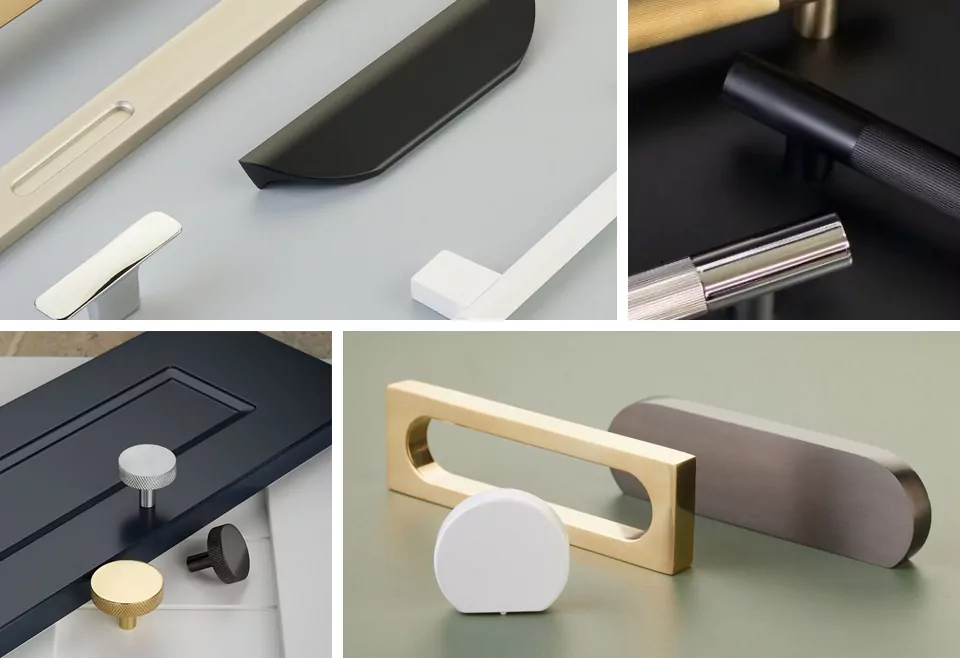
Even well-designed spaces can feel incomplete when cabinet hardware is not thoughtfully considered. Avoiding a few common missteps can make a meaningful difference in both the look and function of the final result.
The following are some of the most common pitfalls to be mindful of during the selection process:
- Treating hardware as an afterthought often leads to missed opportunities to reinforce the overall design.
- Choosing hardware that is out of scale can disrupt visual balance, with pieces that feel either too small to register or unnecessarily oversized.
- Overmatching finishes throughout the space can result in a flat, less dynamic look, rather than a layered and intentional design.
- Prioritizing appearance over usability can lead to hardware that feels uncomfortable in daily use, particularly in high-touch areas like kitchens and bathrooms.
- Selecting hardware that is too small or delicate may look refined initially but can become impractical and less comfortable over time.
- Following short-lived trends too closely can result in selections that feel dated, rather than timeless and enduring.
Cabinet Hardware FAQs
Should I use knobs or pulls in a kitchen?
Pulls are generally preferred for drawers and high-use areas because they provide better grip and control, while knobs are often used on cabinet doors for a more traditional look. This combination balances function and visual variety across the space.
What size cabinet pulls should I choose?
A common guideline is to use pulls that are approximately one-third the width of the drawer or longer for better proportion and ease of use. Longer pulls also improve control on wider drawers.
For a fully resolved result, where proportions, finishes, and placement all work together, visiting Luxe Home allows you to compare options in person and refine selections with expert guidance across your entire project.
Are matte or polished finishes better?
Matte and brushed finishes tend to be more forgiving with fingerprints and provide a more secure grip, while polished finishes create a more formal, reflective appearance. The right choice depends on the desired look and level of maintenance.
Is it okay to mix cabinet hardware finishes?
Yes, when done intentionally. Maintaining consistency in form, placement, or overall palette helps ensure the result feels cohesive rather than random.
Where should cabinet hardware be placed?
Placement should follow standard conventions, such as centered on drawer fronts and aligned along door stiles. Still, it can be adjusted slightly to improve comfort and usability, particularly in frequently used areas.
For project-specific layouts, Luxe Home’s designers can help determine optimal placement across your cabinetry.
Small Details, Lasting Impact
Cabinet hardware may be one of the final elements selected in a space, but its impact is anything but minor. It plays a critical role in shaping both the functionality and the overall aesthetic, influencing how cabinetry looks, feels, and performs in everyday use.
Achieving a refined result comes down to ensuring that design direction, scale, finish, and material all work together. When these elements are thoughtfully considered, the hardware becomes an integrated part of the space rather than an afterthought.
Because cabinet hardware is inherently tactile, experiencing it in person is an important part of the process. The weight of a pull, the texture of a finish, and the ease of movement are qualities that are best understood firsthand.
At Luxe Home, this process is guided by a curated, design-driven approach. With expert, in-store support, cabinet hardware is selected as part of a larger finish story. It is considered alongside cabinetry, plumbing fixtures, lighting, and other finish materials so the final result feels coordinated across the full space, not pieced together one decision at a time.